正在确认阅读权限…
Why Recycling Isn’t Always Green
为何回收并不总是环保
-
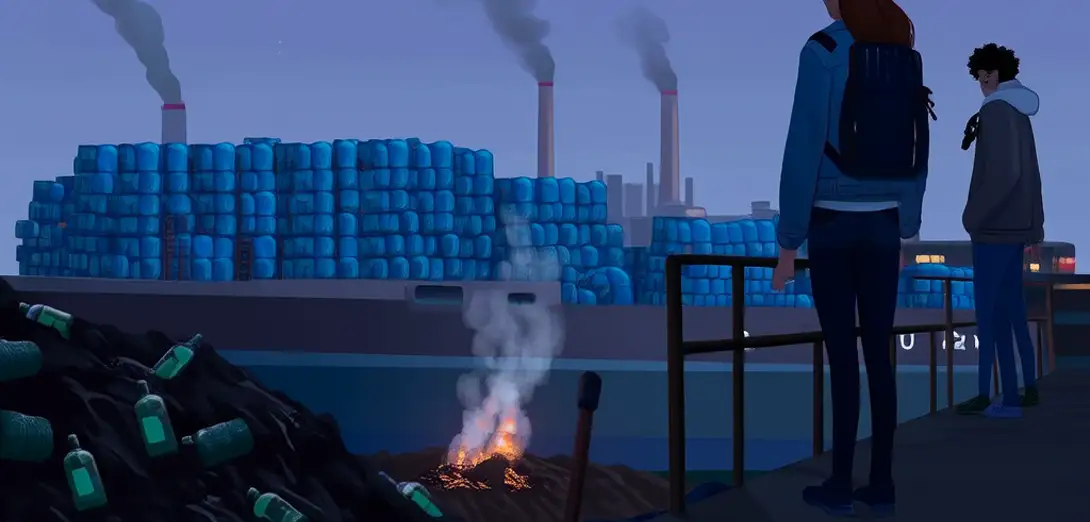
Sending plastic bottles overseas for recycling sounds helpful—until you learn most end up buried or burned.将塑料瓶运往海外回收听起来有益——直到你得知大多数最终被掩埋或焚烧。
-
Sorting centers reject items with food residue or mixed materials, so half of what we toss gets landfilled anyway.分拣中心会拒收带有食物残渣或混合材质的物品,因此我们扔掉的垃圾有一半最终仍被填埋。
-
Making new aluminum cans uses far less energy than producing them from raw ore—recycling metal truly pays off.用废旧铝罐制造新罐比用原生矿石耗能少得多——金属回收确实划算。
-
But recycling paper uses nearly as much water and energy as making it fresh, especially if ink removal is complex.但纸张回收所需的水和能源几乎与全新造纸相当,尤其是脱墨工艺复杂时。
-
Some cities stopped accepting certain plastics after global markets collapsed, leaving towns to rethink waste plans.全球市场崩溃后,一些城市停止接收特定塑料,迫使各地重新思考垃圾处理方案。
-
The greenest choice isn’t always recycling—it’s refusing unnecessary packaging or reusing containers longer.最环保的选择未必是回收——而是拒绝不必要的包装,或延长容器的重复使用时间。
-
Economists call this ‘life-cycle cost’: counting energy, transport, and labor from factory to landfill.经济学家称之为‘全生命周期成本’:即从工厂到填埋场所消耗的能源、运输和人力。
-
Understanding trade-offs helps us support policies that reduce waste—not just shift it somewhere else.认清取舍,才能支持真正减废的政策,而非 merely 将垃圾转移到别处。