正在确认阅读权限…
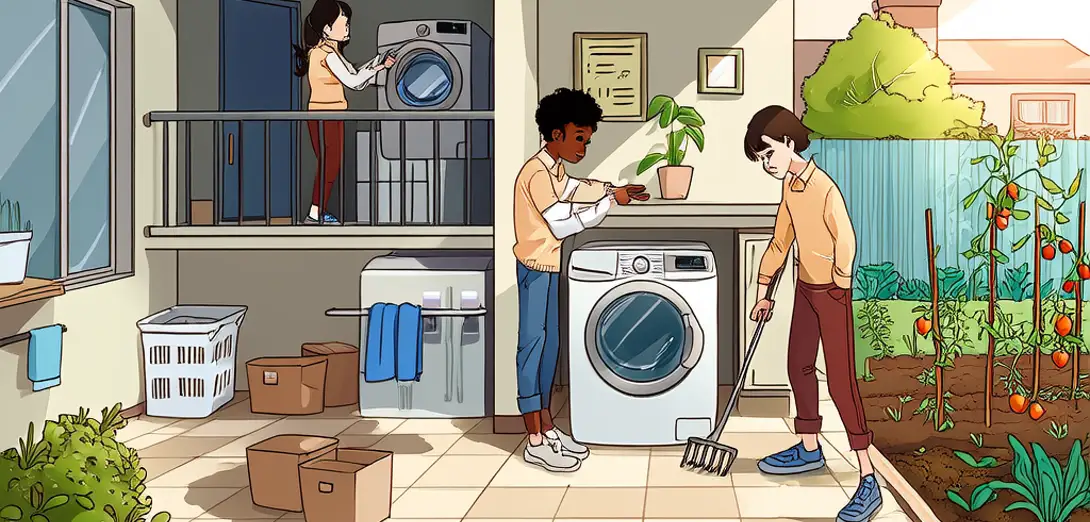
When Neighbors Agree to Share Resources
邻里间如何协商共享资源
-
In shared apartment buildings, residents often split Wi-Fi, laundry machines, or garden tools to save money and space.在合租公寓楼里,住户常共用Wi-Fi、洗衣机或园艺工具,以节省开支和空间。
-
Setting fair rules requires clear communication—not just about cost, but also about timing, care, and repair responsibility.制定公平规则需要清晰沟通——不仅要明确费用,还要约定使用时间、维护责任和维修义务。
-
One family might pay more for high-speed internet if they work remotely, while others contribute less but use it lightly.一个家庭若远程办公,可能为高速网络多付钱;其他家庭使用较少,则少出钱。
-
Shared spaces like rooftop gardens need written agreements so no one assumes cleanup duty forever.屋顶花园等共享空间需签订书面协议,避免有人误以为自己永远负责清洁。
-
Online platforms help neighbors organize tool libraries or car-sharing schedules without needing formal contracts.在线平台帮助邻居组织工具共享库或拼车日程,无需正式合同。
-
Trust grows slowly: starting with small items like ladders builds confidence before sharing bigger assets like cars.信任需逐步建立:先从梯子等小物件开始共享,再逐步过渡到汽车等大件资产。
-
Disputes usually arise not from greed, but from mismatched expectations—so writing down terms prevents future tension.纠纷通常源于预期不一致,而非贪婪;写明条款可预防日后矛盾。
-
This kind of cooperation teaches practical economics: value isn’t fixed, but shaped by use, fairness, and relationship.这类合作能培养实用经济学思维:价值并非固定不变,而是由使用方式、公平性及人际关系共同塑造。