正在确认阅读权限…
Why Rechargeable Batteries Lose Capacity Over Time—and What We’re Doing About It
可充电电池为何随时间推移容量下降,以及我们正如何应对
-
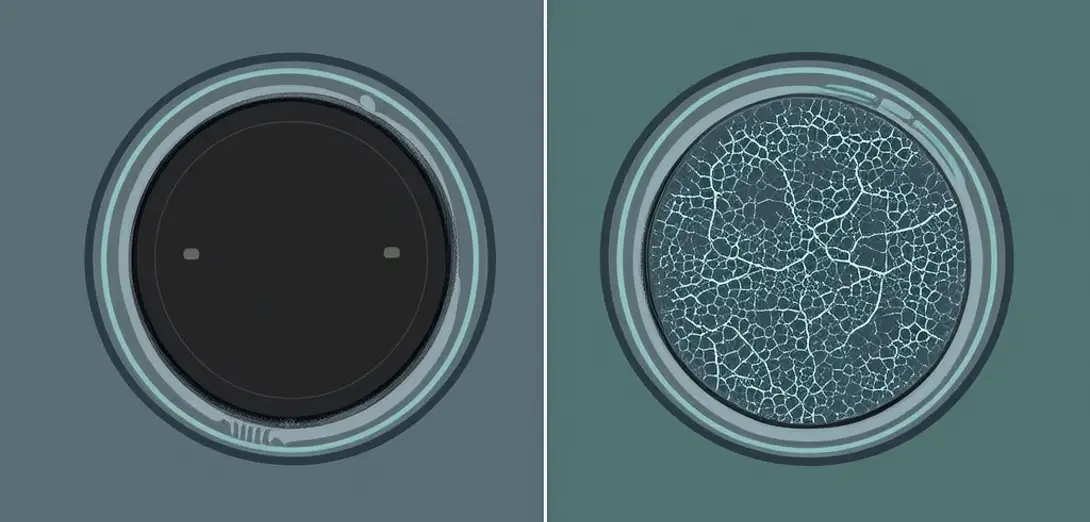
Each charge cycle causes microscopic cracks in electrode materials and gradual electrolyte breakdown.每次充放电循环都会在电极材料中产生微观裂纹,并导致电解液逐渐分解。
-
Lithium ions get trapped in side reactions, reducing how many can shuttle between anode and cathode.锂离子在副反应中被消耗,减少了能在正负极间往返的数量。
-
Heat accelerates degradation: charging above 30°C or storing at full charge shortens battery life noticeably.高温会加速电池老化:充电温度超过30°C或满电长期存放会显著缩短电池寿命。
-
Manufacturers use silicon-carbon anodes and nickel-rich cathodes to boost energy density and cycle count.制造商采用硅碳复合负极和高镍正极,以提升能量密度和循环次数。
-
Battery management systems track voltage decay, temperature history, and usage patterns to estimate remaining capacity.电池管理系统通过监测电压衰减、温度历史和使用模式来估算剩余容量。
-
Recycling programs recover cobalt, nickel, and lithium—reducing mining demand and environmental impact.回收计划可提取钴、镍和锂,降低采矿需求并减轻环境影响。
-
Solid-state batteries replace liquid electrolytes with stable ceramics, promising longer life and faster charging.固态电池以稳定的陶瓷替代液态电解质,有望实现更长寿命和更快充电。
-
This ongoing materials innovation bridges electrochemistry, manufacturing, and circular economy goals.这一持续的材料创新,连接了电化学、制造工艺与循环经济目标。