正在确认阅读权限…
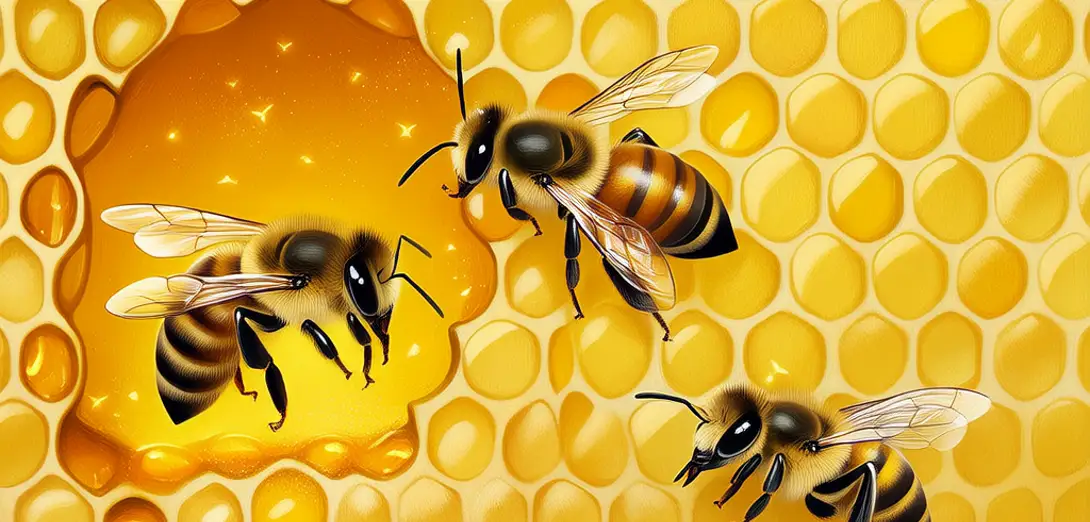
How Honeybees Communicate Flower Locations Through Waggle Dances
蜜蜂如何通过摇摆舞传递蜜源位置信息
-
Honeybees perform a unique 'waggle dance' on the vertical surface of their hive to share food source directions.蜜蜂在蜂巢垂直表面跳独特的“摇摆舞”,以指示食物源方向。
-
The angle of the dance relative to gravity indicates the direction of flowers relative to the sun’s position.舞蹈角度相对于重力的方向,表示花朵相对于太阳位置的方向。
-
The duration of the waggle run tells other bees how far away the nectar-rich flowers are located.摇摆段持续时间告诉其他蜜蜂富含花蜜的花朵有多远。
-
This behavior relies on the bees’ internal circadian clock and ability to detect polarized light patterns in the sky.这种行为依赖蜜蜂的内在生物钟和探测天空偏振光模式的能力。
-
Researchers use high-speed cameras and robotic models to decode how subtle variations affect foraging efficiency.研究人员利用高速摄像机和机器人模型,解码细微变化如何影响觅食效率。
-
Unlike human language, this system conveys precise spatial data without abstract symbols or grammar rules.与人类语言不同,该系统无需抽象符号或语法规则,即可传递精确的空间信息。
-
Even young foragers learn the dance by observing experienced workers inside dark, crowded hives.即使年轻工蜂,也能在黑暗拥挤的蜂巢内通过观察经验丰富的同伴学会舞蹈。
-
Scientists have replicated parts of the dance with mechanical bees to test how recruits interpret movement cues.科学家已用机械蜜蜂复现部分舞蹈动作,以测试新蜂如何解读运动线索。
-
This natural communication method inspired algorithms used in swarm robotics and decentralized navigation systems.这一自然通讯方式启发了群体机器人和去中心化导航系统中的算法设计。
-
Understanding it helps us protect pollinators by designing landscapes that match their sensory and navigational needs.理解它有助于我们通过设计符合蜜蜂感官与导航需求的景观来保护传粉昆虫。