正在确认阅读权限…
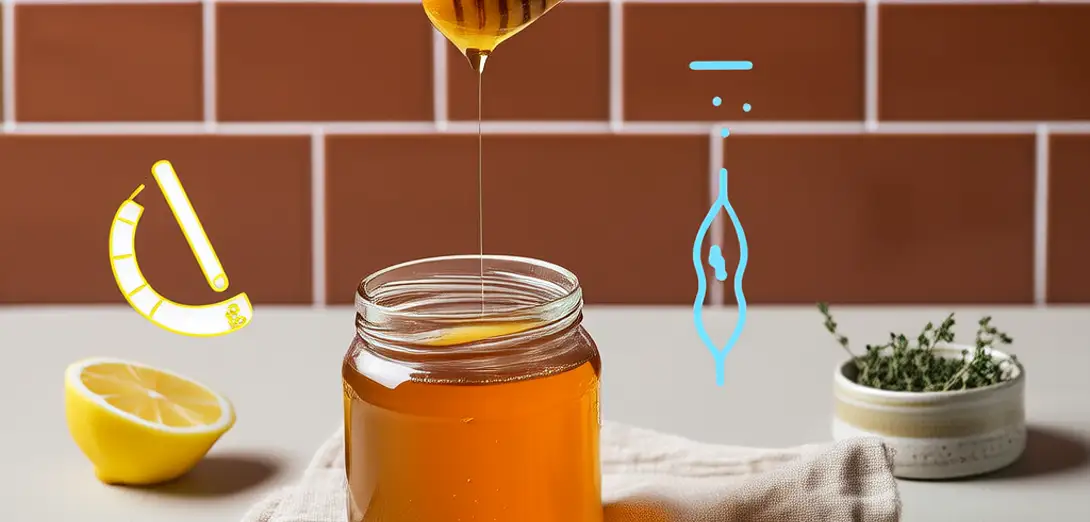
Why Honey Never Spoils—And What Its Antibacterial Power Reveals About Ancient Food Preservation
蜂蜜为何永不腐坏?其抗菌特性揭示了古代食物保存的科学原理
-
Honey resists spoilage due to low water content, high acidity, and natural hydrogen peroxide production.蜂蜜因含水量低、酸度高且能天然产生过氧化氢,因而不易变质。
-
Bees add an enzyme called glucose oxidase to nectar, which slowly generates hydrogen peroxide.蜜蜂将一种名为葡萄糖氧化酶的酶加入花蜜中,缓慢生成过氧化氢。
-
Its pH ranges from 3.2 to 4.5, too acidic for most bacteria and molds to survive.其pH值为3.2至4.5,酸性过强,多数细菌和霉菌无法存活。
-
Osmotic pressure from concentrated sugars draws water out of microbial cells, dehydrating them.高浓度糖分产生的渗透压会吸出微生物细胞内的水分,使其脱水死亡。
-
Archaeologists have found edible honey in Egyptian tombs over 3,000 years old.考古学家在距今3000多年的埃及古墓中发现了仍可食用的蜂蜜。
-
Modern labs confirm ancient honey samples still inhibit Staphylococcus and E. coli growth.现代实验室证实,这些古代蜂蜜样本仍能抑制金黄色葡萄球菌和大肠杆菌生长。
-
Crystallization doesn’t mean spoilage—it’s just natural sugar reformation and fully reversible.结晶并非变质,只是糖分自然重结晶,完全可逆。
-
Raw, unheated honey retains more enzymes and antimicrobial compounds than pasteurized versions.未经加热的生蜂蜜比巴氏杀菌蜂蜜保留更多酶类和抗菌成分。
-
Some hospitals even use medical-grade honey to treat chronic wounds and burns.一些医院甚至使用医用级蜂蜜治疗慢性伤口和烧伤。
-
This natural preservative shows how empirical knowledge preceded microbiology by millennia.这种天然防腐剂表明,经验性认知早在微生物学诞生数千年前就已存在。