正在确认阅读权限…
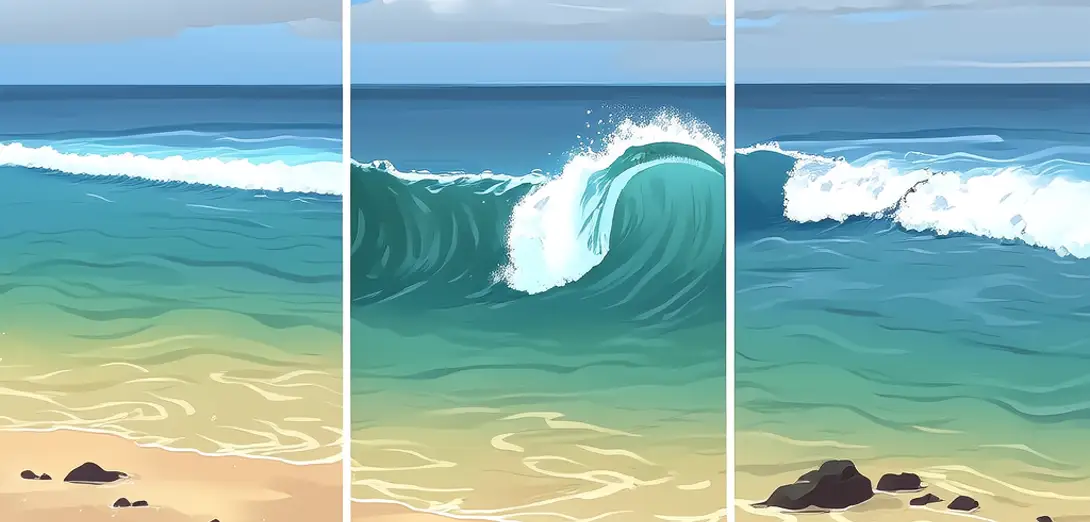
Why Ocean Waves Break With Different Shapes—and What Physics Controls Them
为什么海浪以不同形状破碎,控制它们的物理原理是什么
-
Waves break differently depending on how quickly the ocean floor rises beneath them—called bathymetry.波浪破碎方式取决于海底上升的快慢,即所谓的海底地形。
-
Spilling breakers form on gentle slopes when wave energy gradually dissipates as white water tumbles down the face.溢流型碎波在平缓坡度上形成,波能逐渐消散,白色水花沿波面前端翻滚而下。
-
Plunging breakers occur on steeper shores where the crest curls forward and crashes violently onto deeper water.卷破型碎波出现在较陡峭的海岸,波峰前卷并猛烈砸向较深水域。
-
Surging waves barely break at all but rush powerfully up flat beaches with minimal foam or air entrainment.涌浪几乎不破碎,而是以强劲势头冲上平坦海滩,泡沫极少且几乎不裹挟空气。
-
The wave’s height-to-wavelength ratio and local wind speed also influence breaking type and force.波高与波长之比及当地风速也会影响碎波类型和强度。
-
Coastal engineers model these dynamics to predict erosion risks and design effective seawalls or reef barriers.海岸工程师通过模拟这些动力过程来预测侵蚀风险,并设计有效的海堤或珊瑚礁屏障。
-
Surfers choose spots based on predictable breaker types, which depend entirely on underwater topography.冲浪者依据可预测的碎波类型选择地点,而碎波类型完全取决于水下地形。
-
Satellite radar and drone imaging now map shallow seafloor features that control wave behavior far offshore.卫星雷达与无人机成像技术如今可测绘远海浅水区控制波浪行为的海底特征。
-
Understanding breaker physics helps forecast tsunami impact zones where sudden depth changes amplify destructive energy.理解碎波物理机制有助于预测海啸影响区域——突发的水深变化会放大破坏性能量。
-
This natural process shows how fluid mechanics govern both beauty and danger along Earth’s shorelines.这一自然过程揭示了流体力学如何同时主宰地球海岸线的壮美与危险。