正在确认阅读权限…
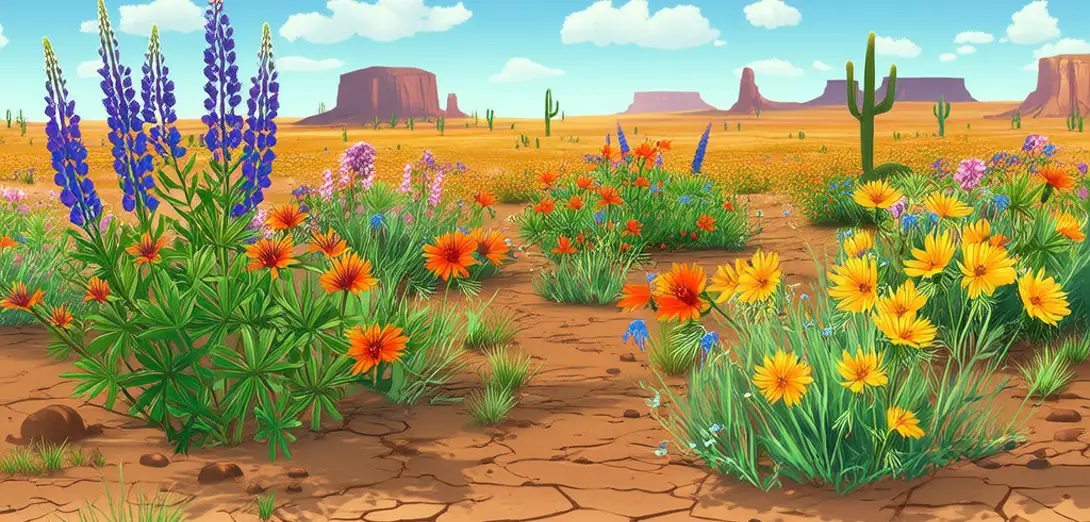
Why Some Deserts Bloom Suddenly After Rain—And the Seeds That Wait Decades
为什么某些沙漠在降雨后突然开花,以及等待数十年的种子
-
Desert wildflowers bloom explosively within days after rare heavy rains, transforming barren land into colorful carpets.罕见的强降雨过后数日内,沙漠野花便蓬勃绽放,将荒芜之地变成五彩斑斓的花毯。
-
Their seeds possess hard coats that prevent germination until specific temperature shifts, moisture levels, and chemical signals occur.其种子拥有坚硬种皮,只有在特定温度变化、湿度水平及化学信号出现时才会萌发。
-
Some seeds remain viable underground for over fifty years, surviving extreme heat, cold, and drought cycles.有些种子在地下保持活力逾五十年,历经极端高温、严寒与干旱周期。
-
Rainwater dissolves inhibitory compounds in the soil, while fluctuating temperatures crack seed coats just enough to allow water entry.雨水溶解土壤中的抑制性化合物,而温度波动则使种皮产生微裂,恰足以让水分进入。
-
Botanists call this 'seed banking'—a survival strategy where reproduction is delayed until ideal conditions return.植物学家称此为‘种子库’——一种将繁殖推迟至理想条件重现的生存策略。
-
Remote sensing satellites now track desert greening events to monitor climate change effects on arid ecosystems.遥感卫星如今追踪沙漠绿化事件,以监测气候变化对干旱生态系统的影响。
-
These short-lived blooms support pollinators, seed-eating birds, and soil microbes crucial for long-term desert health.这些短暂盛开的花朵支撑着传粉昆虫、食籽鸟类及对沙漠长期健康至关重要的土壤微生物。
-
Conservationists collect native seeds after blooms to restore degraded lands threatened by invasive species or overgrazing.保护工作者在花期结束后采集本地种子,用于修复受入侵物种或过度放牧威胁的退化土地。
-
The timing mechanism involves phytochrome proteins that detect red and far-red light ratios in newly exposed soil surfaces.其时间调控机制依赖光敏色素蛋白,可感知新裸露土壤表面红光与远红光的比例。
-
This ancient adaptation reveals how life persists in extremes—not through constant activity, but strategic patience.这一古老适应机制揭示了生命如何在极端环境中存续——并非依靠持续活动,而是战略性地静待时机。