正在确认阅读权限…
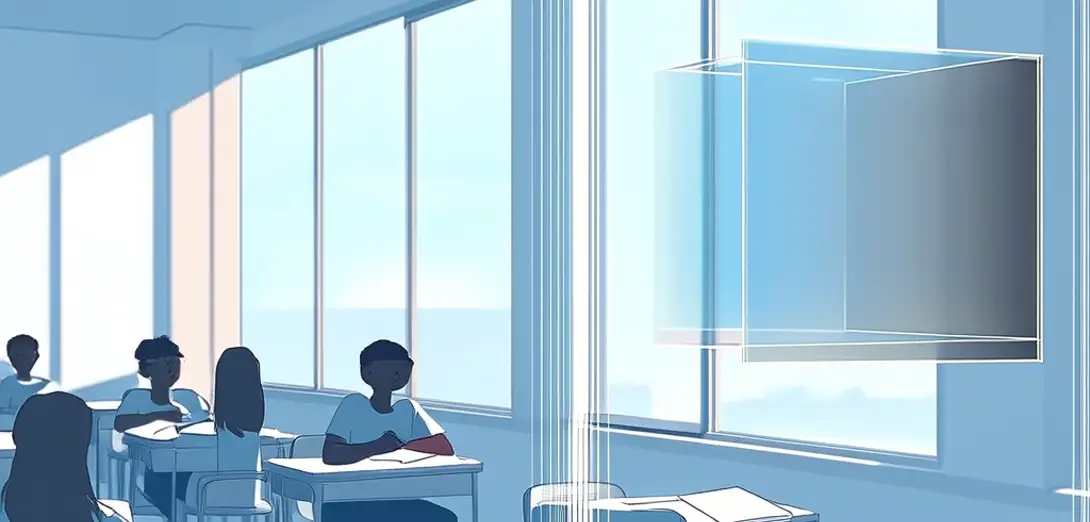
How Smart Windows Adjust Tint Using Electrochromic Nanomaterials
智能窗如何利用电致变色纳米材料自动调节透光度
-
Smart windows contain thin layers of electrochromic nanomaterials that change color when voltage is applied.智能窗户含有超薄电致变色纳米材料层,通电后可变色。
-
These materials reversibly switch between transparent and tinted states without blocking visible light entirely.这些材料可在透明与着色态间可逆切换,且不完全阻挡可见光。
-
The tinting process takes seconds and consumes very little electricity compared to traditional blinds.着色过程仅需数秒,耗电量远低于传统窗帘。
-
Scientists engineer the nanoparticles to respond precisely to sunlight intensity and indoor temperature readings.科学家通过设计纳米颗粒,使其精准响应光照强度和室内温度。
-
Unlike curtains or shades, electrochromic windows reduce cooling loads while maintaining natural daylight.与窗帘或遮阳帘不同,电致变色窗户在保持自然采光的同时降低制冷负荷。
-
They help buildings meet energy efficiency standards by cutting HVAC demand year-round.它们通过全年削减暖通空调需求,助建筑满足节能标准。
-
Researchers are now embedding sensors directly into the glass to enable fully autonomous adjustment.研究人员正将传感器直接嵌入玻璃,实现全自动调节。
-
This technology works even during power outages because tiny capacitors store enough charge for emergency tinting.即使停电,内置微型电容器储存的电量也足以支持应急着色。
-
Manufacturers test durability by cycling windows through 100,000 tint–clear transitions without degradation.制造商通过10万次着色–褪色循环测试验证窗户耐久性。
-
Future versions may integrate with weather APIs to pre-adjust before afternoon heat peaks.未来版本或将接入天气API,在午后高温来临前自动预调节。