正在确认阅读权限…
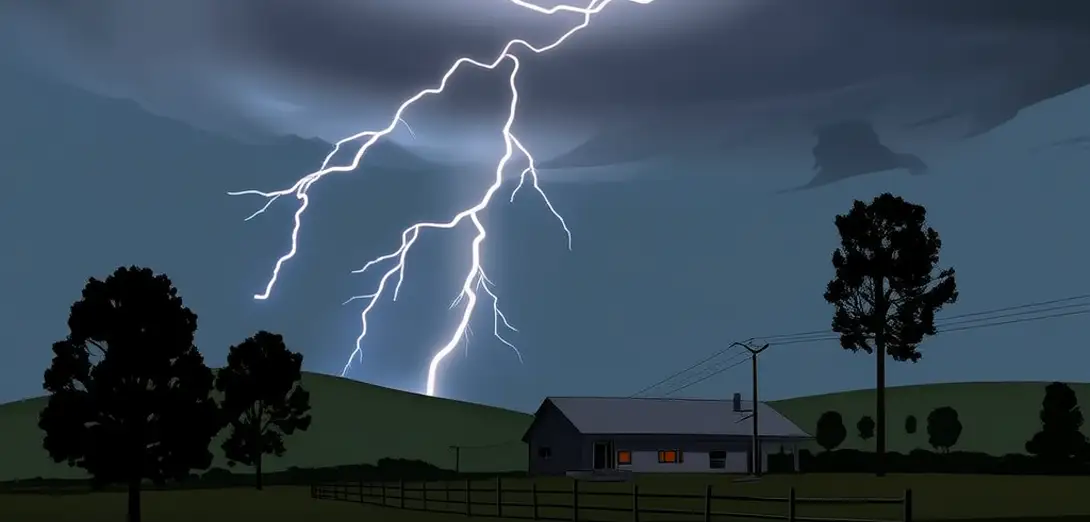
Why Lightning Strikes Tall Objects—but Not Always the Highest One
闪电为何击中高物——却未必选择最高点
-
Lightning follows the path of least electrical resistance, not simply the shortest vertical distance to ground.闪电沿电阻最小的路径传播,而非简单地垂直最短距离入地。
-
Tall structures create stronger electric fields that ionize surrounding air, making conductive pathways easier to form.高大结构会产生更强电场,使周围空气电离,从而更易形成导电通路。
-
However, conductivity matters more than height: a wet tree may attract lightning more than a dry metal pole nearby.然而,导电性比高度更重要:一棵湿树可能比附近干燥的金属杆更易引雷。
-
Ground composition—like clay versus granite—affects where current flows once the strike connects.土壤成分(如黏土与花岗岩)会影响雷击后电流的流向。
-
Scientists measure 'step potential' differences to explain why animals spread out during storms avoid fatal currents.科学家通过测量‘跨步电压’差异,解释为何动物在雷暴中散开可避免致命电流。
-
Lightning rods work not by attracting strikes but by offering a safe, low-resistance channel to earth.避雷针并非吸引雷击,而是提供一条安全、低电阻的入地通道。
-
High-speed photography reveals that upward leaders from multiple points compete microseconds before final attachment.高速摄影显示,在最终连接前的微秒级时间内,多个点会向上发出先导并相互竞争。
-
Weather stations now combine electric field meters with 3D terrain mapping to forecast strike likelihood.气象站如今结合电场仪与三维地形图来预测雷击概率。
-
New models simulate how building shape and material influence leader initiation timing and direction.新型模型可模拟建筑形状与材料如何影响先导起始时机和方向。
-
Understanding this helps design safer infrastructure in mountainous or coastal regions prone to thunderstorms.理解这些有助于在多雷的山区或沿海地区设计更安全的基础设施。