正在确认阅读权限…
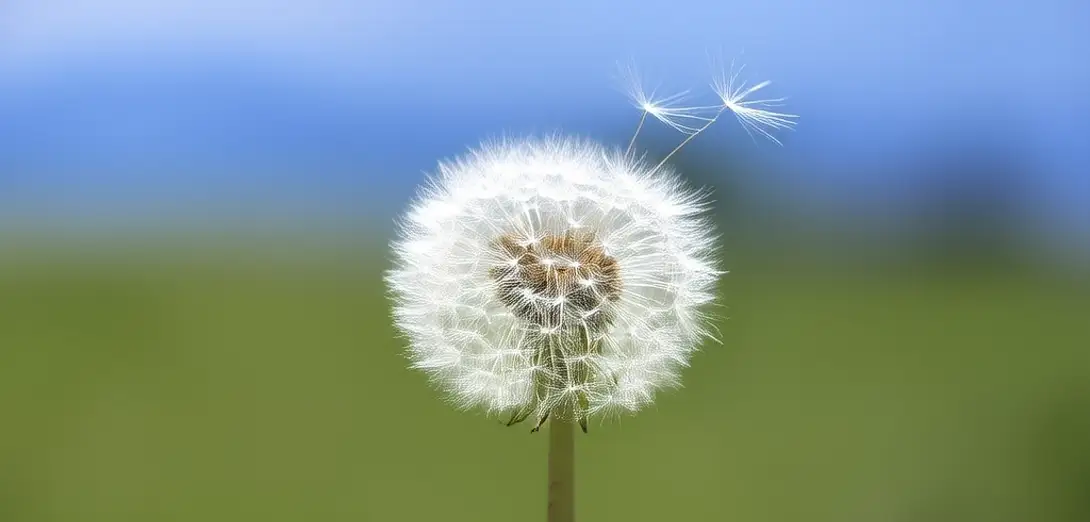
How Dandelion Seeds Float for Miles Using Microscopic Parachutes
蒲公英种子如何借助微观降落伞漂浮数公里
-
Each dandelion seed carries a feathery pappus structure made of 100+ interlocking filaments just 10 micrometers thick.每颗蒲公英种子都带有由100多根相互咬合、仅10微米粗的细丝组成的羽状冠毛结构。
-
This lightweight parachute creates drag and lift simultaneously, allowing seeds to stay airborne longer than expected.这种轻质‘降落伞’能同时产生阻力与升力,使种子滞空时间远超预期。
-
Wind tunnel experiments show that vortices form above the pappus, generating unexpected upward force like tiny wings.风洞实验表明,冠毛上方会形成涡流,产生类似微型机翼的意外向上力。
-
Seeds descend at only 0.3 meters per second—slow enough to travel kilometers on moderate breezes.种子下落速度仅为0.3米/秒——慢到足以借助微风传播数公里。
-
Their flight path depends on atmospheric turbulence, humidity, and boundary-layer wind shear near the ground.其飞行轨迹取决于大气湍流、湿度及近地面边界层的风切变。
-
Botanists use high-speed cameras to capture how pappus geometry adjusts subtly during descent.植物学家用高速摄像机捕捉冠毛几何结构在下落过程中细微的自适应调整。
-
Genetic studies reveal that slight variations in filament number affect dispersal range across different climates.基因研究表明,细丝数量的微小差异会影响不同气候下的种子扩散范围。
-
Urban ecologists map seed landing zones to predict invasive spread in cities with fragmented green spaces.城市生态学家通过绘制种子着陆区,预测蒲公英在绿地破碎化城市中的入侵扩散趋势。
-
Engineers mimic pappus design to develop micro-drones with passive stabilization and low-energy flight.工程师仿照冠毛结构,开发出具备被动稳定性和低能耗飞行能力的微型无人机。
-
This natural mechanism inspires new approaches to airborne sensor deployment in environmental monitoring.这一自然机制为环境监测中空中传感器的部署提供了新思路。