正在确认阅读权限…
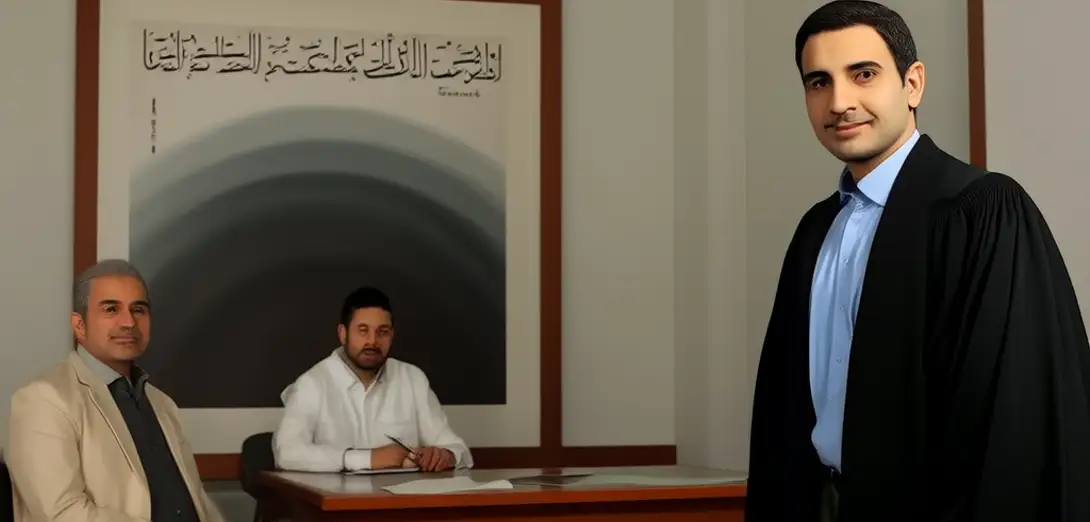
The Ink Gradient: Calligraphic Hierarchy in Iranian Academic Ceremonies
墨色梯度:伊朗学术典礼中的书法等级制
-
Tehran University doctoral defenses require thesis titles rendered in Nastaʿlīq script with ink density gradients calibrated to examiner seniority—darker strokes for professors, lighter for junior faculty.德黑兰大学博士论文答辩要求论文标题以纳斯塔利克体书写,墨色浓淡须按答辩委员资历校准——教授用深墨,青年教师用浅墨。
-
Calligraphers use spectrophotometers to verify 0.3% optical density variance between faculty tiers, transforming aesthetics into administrative syntax.书法家使用分光光度计检测不同资历教师间0.3%的光学密度差异,将美学转化为行政语法。
-
This system descends from Safavid court scribes whose ink tonality indicated proximity to royal authority—now adapted for academic meritocracy.该体系源自萨法维王朝宫廷抄写员,其墨色深浅曾象征与王权的距离,如今转用于学术精英制。
-
Digital submission portals auto-analyze uploaded title pages, rejecting submissions where gradient algorithms mismatch departmental seniority matrices.电子提交平台自动分析上传的标题页,若渐变算法与院系资历矩阵不匹配,则拒绝提交。
-
Students protest by submitting titles in monochrome ink, framing uniformity as anti-hierarchical resistance—though examiners still assign implicit rankings.学生以单色墨水提交标题抗议,将墨色统一视为反等级制的抵抗——但答辩委员仍会隐性排序。
-
Conservation labs now authenticate historical documents by scanning ink absorption rates, linking material science to power archaeology.文物保护实验室现通过扫描墨迹吸收率鉴定历史文献,将材料科学与权力考古学相联结。
-
When international co-authors join dissertations, calligraphers negotiate ‘hybrid gradients’ blending Persian tonal logic with Western typographic conventions.当国际合作者参与论文时,书法家需协商‘混合渐变’,融合波斯墨色逻辑与西方排版规范。
-
Climate-controlled calligraphy studios maintain 42% humidity—optimal for ink capillary flow—making environmental engineering integral to scholarly legitimacy.恒温恒湿书法工作室维持42%湿度——墨液毛细流动的最佳条件,使环境工程成为学术合法性的组成部分。
-
Young Iranian academics critique gradient politics but retain them pragmatically, describing ink tonality as ‘negotiated visibility’ in competitive fields.伊朗青年学者批判墨色梯度政治,却务实保留该做法,称墨色为竞争领域中‘协商可见性’。
-
This practice endures because it renders abstract academic capital into tangible, inspectable material properties—democratizing hierarchy assessment.此实践得以延续,因其将抽象的学术资本转化为可触、可检的物质属性,使等级评估民主化。
-
For diaspora scholars, replicating gradient protocols in foreign universities becomes subtle assertion of intellectual lineage.对海外学者而言,在外国高校复刻墨色梯度规程,成为对其知识谱系的微妙宣示。
-
Ultimately, ink isn’t pigment but punctuation—marking where knowledge ends and authority begins in Iran’s epistemic landscape.最终,墨水并非颜料,而是标点——标记着伊朗认知版图中知识终结与权威起始的边界。