正在确认阅读权限…
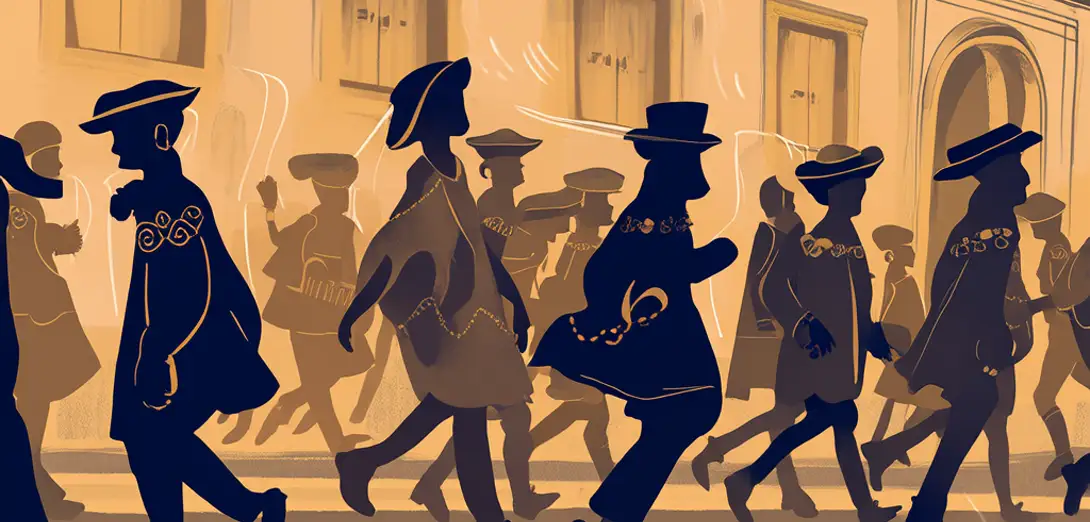
Footfall Choreography: Processional Rhythm and Civic Memory in Brazilian Festa Junina
足音编舞:巴西六月节游行中的节奏与公民记忆
-
Recife’s Festa Junina processions use GPS-synced pedometers to maintain 112 BPM step cadence—a tempo mathematically derived from colonial-era sugar mill machinery rhythms.累西腓的六月节游行使用GPS同步计步器,保持每分钟112步的节奏——这一速度源自殖民时期糖厂机械运转节律的数学推演。
-
Each neighborhood’s drum corps tunes instruments to resonate with local soil density, ensuring bass frequencies physically vibrate ancestral burial grounds.每个社区的鼓乐队根据当地土壤密度调校乐器,确保低频震动切实传递至祖先墓地。
-
Urban developers now embed seismic sensors in sidewalks to monitor procession impact, preventing infrastructure damage while preserving vibrational heritage.城市开发商如今在人行道中嵌入地震传感器,监测游行对基础设施的影响,在保护振动文化遗产的同时防止损坏。
-
Tourist participation triggers debates: commercialized ‘step guides’ flatten regional variations into marketable uniformity, eroding memory specificity.游客参与引发争议:商业化的‘步法指南’将地域差异简化为可营销的统一标准,削弱了记忆的独特性。
-
Schools teach ‘footfall literacy’—students analyze pavement wear patterns to reconstruct historical procession routes erased by gentrification.学校开设‘足印识读’课程——学生通过分析路面磨损痕迹,复原因士绅化而消失的历史游行路线。
-
Climate migration reshapes rhythms: drought-affected regions adopt slower tempos reflecting water-scarcity labor pacing, creating new memorial cadences.气候移民重塑节奏:干旱地区采用更慢的步速,呼应缺水条件下的劳动节奏,形成新的纪念性节律。
-
Digital archives map footfall pressure points across decades, revealing how political protests repurposed festival routes into dissent pathways.数字档案库跨数十年追踪足压热点,揭示政治抗议如何将节日路线转化为表达异议的路径。
-
When rain disrupts processions, communities perform ‘dry-step rituals’—barefoot walks on heated concrete emitting infrared signatures matching original thermal footprints.降雨中断游行时,社区举行‘干步仪式’——赤足踏行于加热混凝土上,释放的红外信号与原始热足迹完全吻合。
-
Young Afro-Brazilian activists insert counter-rhythms into traditional steps, using syncopation to reclaim erased histories without breaking ceremonial continuity.年轻非裔巴西活动家在传统步伐中插入反拍节奏,以切分音重拾被抹除的历史,同时维系仪式连续性。
-
This choreography persists because it transforms collective memory into kinetic data—where every step rewrites urban cartography in real time.这种编舞得以延续,正因为它将集体记忆转化为动能数据——每一步都在实时重绘城市地图。
-
For diaspora Brazilians, replicating footfall patterns in foreign cities becomes embodied archival resistance.对散居海外的巴西人而言,在异国城市复刻足印模式,成为一种具身化的档案抵抗。
-
Ultimately, the march isn’t celebration but constitutional act—reasserting civic belonging through biomechanical consensus.归根结底,这场行进并非庆典,而是一项宪制行为——通过生物力学共识,重申公民归属。