正在确认阅读权限…
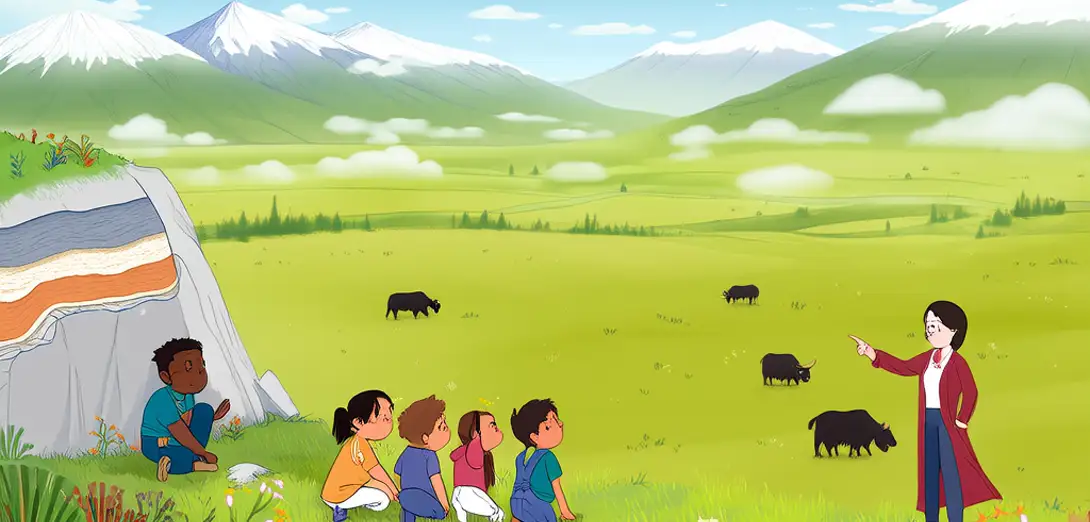
Plateaus Rise High but Stay Flat on Top
高原:高耸而平坦的大地之台
-
Plateaus are large flat areas raised high above sea level.高原是海拔远高于海平面的广阔平坦地区。
-
They form by uplift, lava flows, or long erosion of mountains.高原由地壳抬升、熔岩流或山脉长期侵蚀形成。
-
The Tibetan Plateau is the world’s highest and largest.青藏高原是世界上最高、最大的高原。
-
Thin air on plateaus affects weather, plants, and human life.高原空气稀薄,影响天气、植物和人类生活。
-
Rivers cut deep gorges into plateau edges over millions of years.河流经数百万年冲刷,在高原边缘切割出深邃峡谷。
-
Wind blows strongly across open plateau surfaces year-round.强风全年不停地吹过开阔的高原表面。
-
Some plateaus hold coal, iron, or rare mineral deposits.一些高原蕴藏着煤炭、铁矿或稀有矿物。
-
Grasslands on plateaus support herding and unique animal species.高原上的草原支撑着畜牧业和独特的动物物种。