正在确认阅读权限…
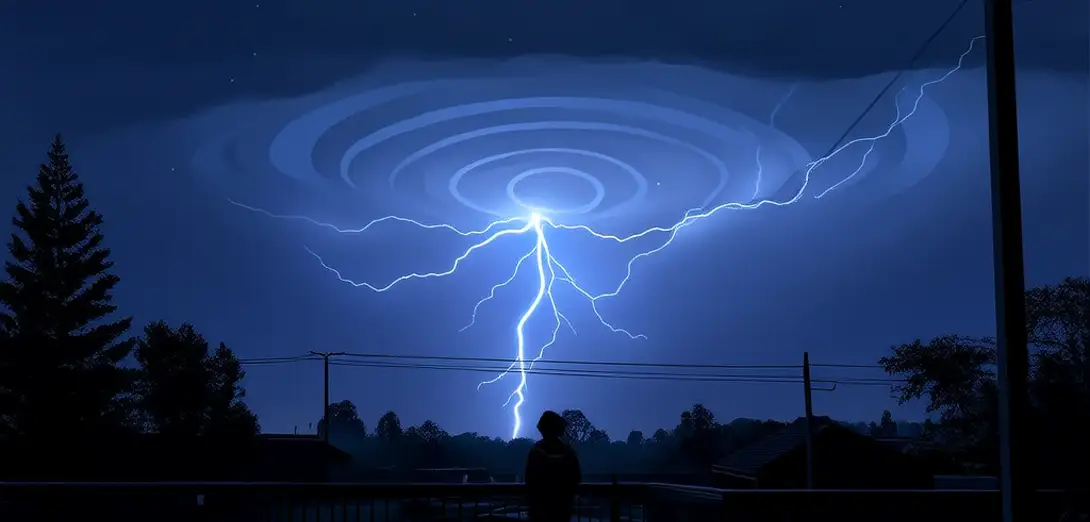
Why Thunder Follows Lightning With a Delay
为什么雷声总在闪电之后才传来?
-
Lightning heats air instantly to over 30,000°C, causing rapid expansion and shock waves.闪电瞬间将空气加热至30,000°C以上,引发急剧膨胀和冲击波。
-
These shock waves travel outward as sound — what we hear as thunder.这些冲击波向外传播为声音,即我们听到的雷声。
-
Light travels nearly one million times faster than sound, so we see lightning first.光速比声速快近百万倍,因此我们先看到闪电。
-
The delay between flash and boom helps estimate storm distance in miles or kilometers.闪光与雷声之间的延迟可用于估算风暴距离(英里或公里)。
-
Sound moves at about 343 meters per second in dry air at 20°C.在20°C的干燥空气中,声音传播速度约为343米/秒。
-
Humidity, temperature, and wind affect thunder’s speed and how far it carries.湿度、温度和风会影响雷声的速度及传播距离。
-
Long rumbles occur when sound reflects off hills, buildings, or layers of air.长持续的隆隆声源于声音在山丘、建筑物或不同空气层间的反射。
-
If thunder arrives within three seconds, the storm is dangerously close — under one kilometer.若雷声在闪电后三秒内到达,表明风暴已危险逼近——不足一公里。
-
Sometimes lightning is silent because it’s too far for sound to reach clearly.有时闪电看似无声,是因为距离太远,声音无法清晰传到。
-
Scientists use microphone arrays to map lightning paths by analyzing thunder arrival times.科学家通过分析雷声到达时间,利用麦克风阵列绘制闪电路径。