正在确认阅读权限…
What Makes Biodegradable Plastics Different from Regular Ones
可生物降解塑料与普通塑料有何不同
-
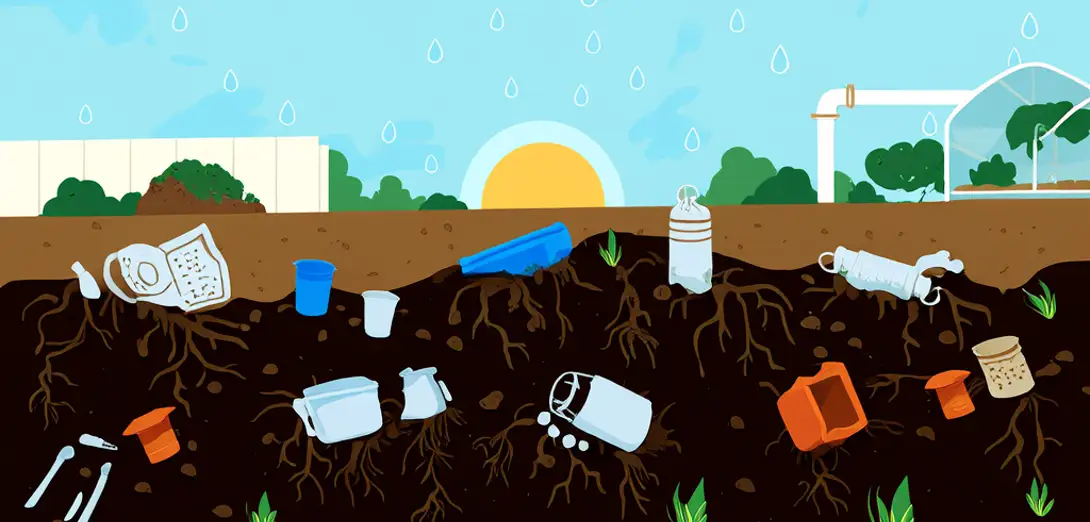
Biodegradable plastics break down into water, carbon dioxide, and organic matter under specific conditions.可生物降解塑料在特定条件下会分解为水、二氧化碳和有机物。
-
They’re made from plant starches, cellulose, or polylactic acid (PLA), not petroleum-based polymers.它们由植物淀粉、纤维素或聚乳酸(PLA)制成,而非石油基聚合物。
-
Industrial composting facilities provide the heat, moisture, and microbes needed for full decomposition.工业堆肥设施提供充分分解所需的热量、湿度和微生物。
-
In contrast, conventional plastics persist for centuries because microbes cannot recognize their molecular bonds.相比之下,传统塑料因微生物无法识别其分子键而可存留数百年。
-
Home compostable versions exist but require consistent warmth and humidity—not all backyard bins suffice.家用可堆肥版本虽已存在,但需持续温暖与高湿环境,并非所有家庭堆肥箱都满足条件。
-
Labels like 'compostable' don’t guarantee breakdown in oceans or landfills, where oxygen is limited.标有‘可堆肥’并不意味着能在缺氧的海洋或填埋场中分解。
-
Some bioplastics still release microplastics if degraded incompletely, raising ongoing research questions.部分生物塑料若未完全降解,仍会释放微塑料,引发持续研究关注。
-
Manufacturers aim to balance durability during use with safe end-of-life behavior for circular economy goals.制造商力求在使用期间保持耐用性,同时确保废弃后安全降解,以支持循环经济目标。