正在确认阅读权限…
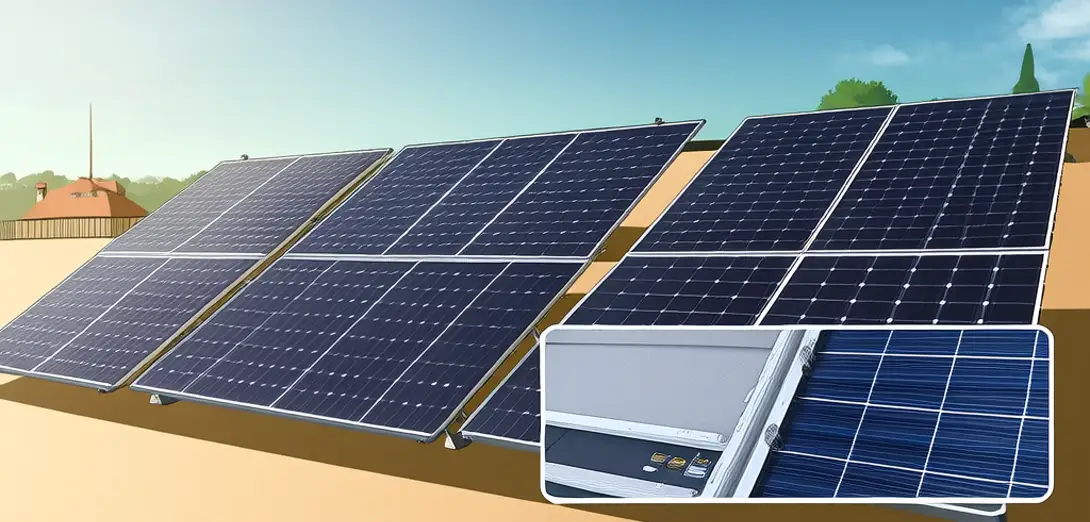
How Solar Panels Turn Sunlight Into Electricity
太阳能电池板如何将阳光转化为电能
-
Solar panels contain photovoltaic (PV) cells made mainly of silicon, a semiconductor material.太阳能电池板包含主要由硅(一种半导体材料)制成的光伏(PV)电池。
-
When sunlight hits a PV cell, photons knock electrons loose, creating direct current (DC) electricity.当阳光照射到光伏电池上时,光子会击出电子,从而产生直流电(DC)。
-
An inverter then converts DC into alternating current (AC), matching household electrical standards.逆变器随后将直流电转换为交流电(AC),以符合家庭用电标准。
-
Panel efficiency depends on angle, shading, temperature, and local sunlight intensity—not just size.电池板效率取决于安装角度、遮挡、温度和当地日照强度,而不仅取决于尺寸。
-
Rooftop systems feed surplus power back to the grid in many regions, earning credits on utility bills.在许多地区,屋顶系统可将多余电力输送回电网,从而在电费账单上获得抵扣额度。
-
Newer thin-film panels perform better in diffuse light, making them suitable for cloudy cities or north-facing roofs.新型薄膜电池板在散射光下表现更佳,适合多云城市或朝北的屋顶。
-
Maintenance is minimal—mainly occasional cleaning and checking connections every few years.维护需求极少——主要是偶尔清洁及每隔几年检查连接状况。
-
Though manufacturing uses energy and resources, most panels repay that 'carbon debt' within three to five years.尽管制造过程消耗能源和资源,但大多数电池板可在三至五年内抵消其‘碳债’。