正在确认阅读权限…
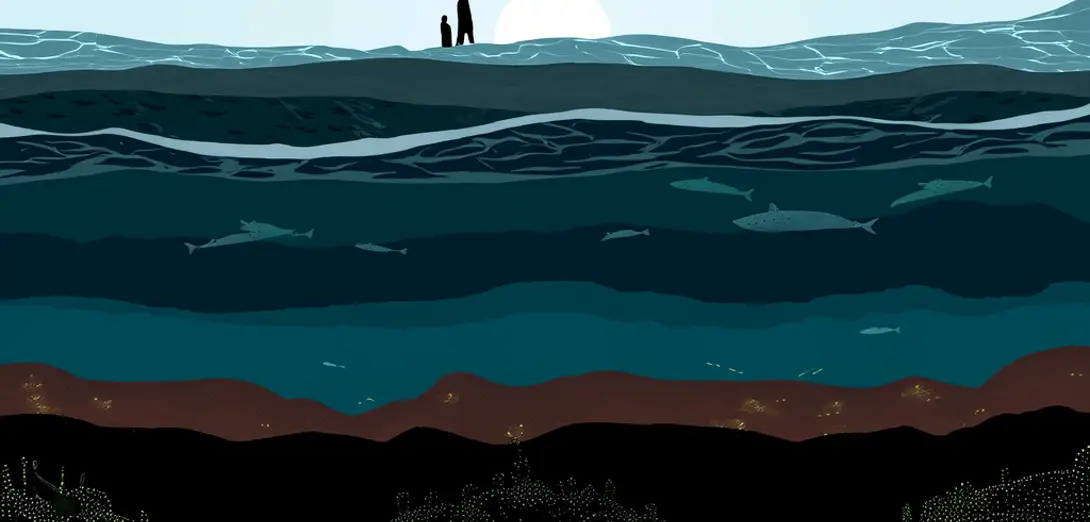
Why Ocean Deoxygenation Accelerates Under Warming—Beyond Simple Solubility Constraints
海洋脱氧为何在变暖背景下加速——超越单纯溶解度限制
-
While warmer water holds less dissolved oxygen, observed deoxygenation exceeds solubility predictions—indicating biological and circulation drivers dominate recent trends.虽然暖水溶解氧能力下降,但实际观测到的脱氧程度已超出溶解度预测,表明生物和环流因素主导了近期趋势。
-
Increased stratification from surface warming reduces vertical mixing, cutting off subsurface waters from atmospheric reoxygenation and trapping respired CO₂.表层变暖加剧水体分层,削弱垂向混合,使次表层海水无法从大气中补充氧气,并困住呼吸作用产生的二氧化碳。
-
Eutrophication-driven algal blooms sink and decompose, consuming oxygen in mid-depth 'shadow zones' where circulation is already sluggish.富营养化引发的藻华沉降分解,在环流本就迟缓的中层‘阴影区’大量耗氧。
-
Oxygen minimum zones (OMZs) have expanded 3–5% per decade since 1960, with the largest growth in tropical Pacific and Indian Ocean thermoclines.自1960年以来,氧最小带(OMZ)每十年扩张3–5%,扩张最显著区域位于热带太平洋与印度洋温跃层。
-
Fisheries managers now use real-time oxygen profiling to set dynamic catch limits—low-oxygen layers compress habitat vertically, increasing bycatch of juvenile fish.渔业管理者如今利用实时氧剖面数据设定动态捕捞限额——低氧层在垂直方向压缩栖息地,导致幼鱼兼捕增加。
-
Biogeochemical models incorporate denitrification kinetics to predict nitrous oxide emissions from expanding OMZs, a potent greenhouse gas.生物地球化学模型纳入反硝化动力学,以预测不断扩张的OMZ所释放的一氧化二氮(一种强效温室气体)。
-
Coastal hypoxia events correlate strongly with riverine nutrient loads, making agricultural runoff management a frontline climate adaptation strategy.近岸缺氧事件与河流输入营养盐负荷高度相关,因此农业径流管控成为前沿气候适应策略。
-
Marine protected area design increasingly incorporates oxygen contours, recognizing that habitat connectivity depends on three-dimensional water mass structure.海洋保护区规划日益纳入溶解氧等值线,认识到栖息地连通性取决于三维水团结构。
-
Sediment core analyses reveal that past OMZ expansions coincided with abrupt climate shifts—suggesting tipping points exist in ocean ventilation systems.沉积物岩芯分析显示,历史OMZ扩张曾与 abrupt 气候突变同步,暗示海洋通风系统存在临界点。
-
Renewable energy projects assess seabed oxygen levels before cable burial, as low-O₂ sediments accelerate metal corrosion and alter microbial corrosion pathways.可再生能源项目在铺设海底电缆前须评估海床氧含量,因低氧沉积物会加速金属腐蚀并改变微生物腐蚀路径。
-
The phenomenon exemplifies emergent stress: warming initiates physical change, which amplifies biogeochemical feedbacks, ultimately reshaping ecosystem services.该现象体现了新兴胁迫:升温引发物理变化,进而放大生物地球化学反馈,最终重塑生态系统服务。
-
Policy responses must therefore integrate climate mitigation, nutrient management, and fisheries governance—treating oxygen as a shared, cross-sectoral resource.因此,政策响应必须统筹气候减缓、营养盐管理与渔业治理,将氧气视为跨部门共享资源。