正在确认阅读权限…
Mexican Día de Muertos Altar Design as Decolonial Archival Practice
墨西哥亡灵节祭坛设计:一种去殖民化的档案实践
-
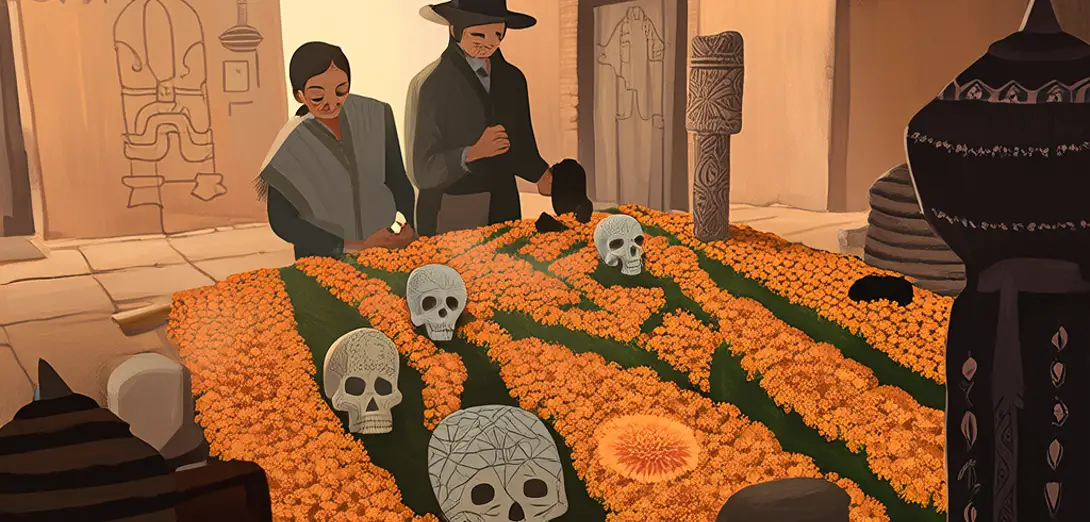
Oaxacan altar builders reject ‘folk art’ labels—they practice decolonial archiving, where marigold pathways encode pre-Columbian astronomical charts, and sugar skulls’ fracture patterns document colonial-era labor quotas.瓦哈卡祭坛建造者拒绝‘民间艺术’标签——他们实践去殖民化存档:万寿菊小径暗藏前哥伦布时期的天文图,糖骷髅的裂纹图案则记录殖民时期的劳工配额。
-
Each candle’s wax composition is documented: beeswax ratios reflect land restitution claims, while soy-based alternatives signal corporate land-grab resistance.每支蜡烛的蜡质成分均有记载:蜂蜡比例反映土地归还诉求,而大豆基替代品则象征抵制企业圈地。
-
Schools teach altar construction as metadata literacy—students annotate photo documentation with ‘semantic tags’ linking papel picado motifs to Zapotec glyph reconstructions.学校将祭坛搭建教学作为元数据素养训练——学生为照片添加‘语义标签’,将剪纸图案与萨波特克象形文字复原图关联。
-
When museums digitize altars, Indigenous curators demand ‘algorithmic sovereignty’: AI training sets must exclude colonial ethnographic archives to prevent epistemic contamination.博物馆数字化祭坛时,原住民策展人主张‘算法主权’:AI训练数据必须排除殖民人类学档案,以防认识论污染。
-
The ‘water offering’ isn’t symbolic hydration—it’s hydrological testimony: ceramic vessels hold aquifer samples tested for heavy metals, turning ritual into environmental forensics.‘水供奉’并非象征性补水,而是水文证言:陶器盛装经重金属检测的含水层样本,使仪式转化为环境法证。
-
Youth activists embed QR codes in pan de muerto crusts linking to oral histories recorded in endangered Mixtec dialects, merging gastronomy with linguistic preservation.青年活动家将二维码嵌入亡灵面包表皮,链接至濒危米斯特克语方言录制的口述史,融合美食与语言保护。
-
Government restoration grants require altars to include ‘counter-archives’—objects like broken Spanish church tiles arranged to form Nahua cosmograms, challenging dominant historiography.政府修复资助要求祭坛纳入‘反档案’——如拼成纳瓦宇宙图的破碎西班牙教堂瓷砖,挑战主流史观。
-
Urban altars in Mexico City incorporate subway tokens and metro maps, reframing public transit as ancestral pilgrimage routes mapped onto colonial infrastructure.墨西哥城都市祭坛融入地铁代币与线路图,将公共交通重构为映射于殖民基础设施之上的祖先朝圣路线。
-
Academic journals now peer-review altar proposals alongside archaeological papers, evaluating evidentiary rigor in material selection and spatial syntax.学术期刊如今同步同行评审祭坛方案与考古论文,评估材料选取及空间语法的证据严谨性。
-
When tourists photograph altars, guides instruct them to capture ‘contextual metadata’—soil type, adjacent graffiti, utility pole markings—transforming snapshots into forensic field notes.游客拍摄祭坛时,向导指导其采集‘情境元数据’——土壤类型、邻近涂鸦、电线杆标记——使快照变为法证式田野笔记。
-
This practice endures because it weaponizes remembrance: every folded cloth, every placed photograph, every arranged bone is evidence in an ongoing trial against erasure.这一实践之所以延续,在于它将记忆武器化:每一块折叠布料、每一张安放照片、每一根排列骨骼,都是对抗抹除的持续审判中的证据。
-
The altar isn’t memory—it’s a courtroom where ancestors testify, and the living serve as both witnesses and archivists.祭坛并非记忆之所——而是法庭:祖先作证,生者既为见证人,亦为档案员。