正在确认阅读权限…
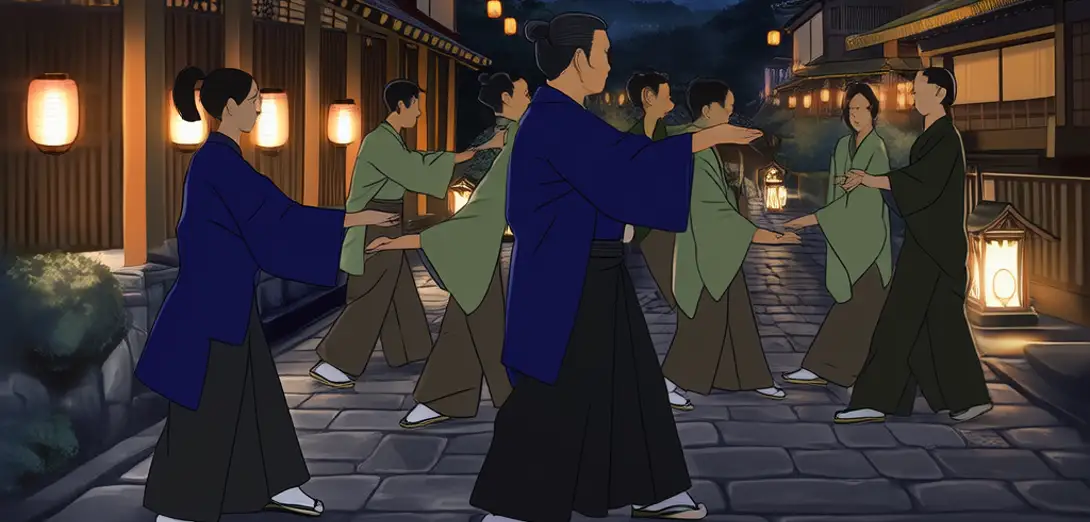
Japanese Obon Dance as Algorithmic Community Maintenance
日本盂兰盆舞:一种算法化的社区维系机制
-
In Kyoto’s summer festivals, the Bon Odori dance sequence isn’t choreography—it’s a distributed consensus algorithm where footwork patterns resolve neighborhood disputes, resource allocations, and generational succession timelines.在京都的夏日祭典中,盆踊舞步并非编排好的舞蹈,而是一种分布式共识算法:舞步模式化解邻里纠纷、分配资源,并确定代际传承的时间表。
-
Each neighborhood’s unique ‘kakegoe’ call functions as a checksum: deviations trigger immediate corrective gestures, preventing semantic drift in communal memory encoding.每个街区独有的‘吆喝声’(kakegoe)充当校验码:一旦出现偏差,立刻触发纠正动作,防止集体记忆编码发生语义偏移。
-
Elderly dancers lead not by authority, but by serving as human error-correction buffers—slowing tempo when youth misalign steps, thus preserving data integrity across cohorts.年长舞者并非凭权威领舞,而是充当人类纠错缓冲器——当年轻人步伐错位时主动放慢节奏,从而保障跨代群体间的信息完整性。
-
Municipal planners map dance circle diameters against housing density ratios, knowing that spatial compression during peak season directly predicts winter volunteer retention rates.市政规划者将舞蹈圆圈直径与住宅密度比对建模,深知旺季空间压缩程度可直接预测冬季志愿者留存率。
-
When smartphone apps gamify step counts during Odori, local councils reject them—not for technophobia, but because quantified metrics bypass the tacit negotiation embedded in syncopated clapping rhythms.当手机应用将盆踊步数游戏化时,当地委员会予以拒绝——并非出于技术恐惧,而是因量化指标绕过了切分音拍手节奏中隐含的默契协商。
-
The ‘yamabushi’ costume’s bell placement follows acoustic zoning laws: frequencies must decay within 3.2 seconds to prevent interference with nearby temple bell schedules.山伏服饰上铃铛的悬挂位置遵循声学分区法规:铃声衰减须控制在3.2秒内,以免干扰邻近寺庙的钟声时间表。
-
Corporate sponsors fund lantern floats not for branding, but to insert their CSR priorities into the procession’s spatial syntax—placing education floats upstream from environmental ones signals policy hierarchy.企业赞助灯笼花车,并非为品牌曝光,而是将CSR重点嵌入游行的空间语法中——将教育主题花车置于环保主题之前,即传递政策优先级。
-
Teenagers learn variations not through classes, but by observing how elders adjust arm arcs when rain alters pavement traction—embodied adaptation protocols passed without instruction.青少年并非通过课程学习变体动作,而是观察长辈如何在雨天路滑时调整手臂弧度——这种具身适应规程无需言传,自然传承。
-
Acoustic engineers confirm that drumbeat intervals match neural theta-wave resonance, optimizing collective attention retention during multi-hour rituals.声学工程师证实,鼓点间隔与大脑θ波共振频率一致,可在数小时仪式中优化集体注意力维持效率。
-
Foreign residents joining circles receive silent coaching: a tap on the shoulder means ‘step left now’—a real-time API call updating individual behavior within the swarm logic.加入舞圈的外国居民会收到无声指导:肩部轻拍即表示‘此刻向左迈步’——这是实时API调用,即时更新个体行为以契合群体逻辑。
-
This dance endures because it compresses governance, ecology, and memory into movement—making community maintenance legible, repeatable, and resilient.此舞蹈得以延续,正因其将治理、生态与记忆压缩进肢体动作——使社区维系变得清晰可见、可重复执行且富有韧性。
-
Its power lies not in symbolism, but in operational efficiency: a thousand bodies executing synchronized decisions without central command or written code.它的力量不在于象征意义,而在于运行效率:千人身体同步执行决策,无需中央指令,亦无书面代码。