正在确认阅读权限…
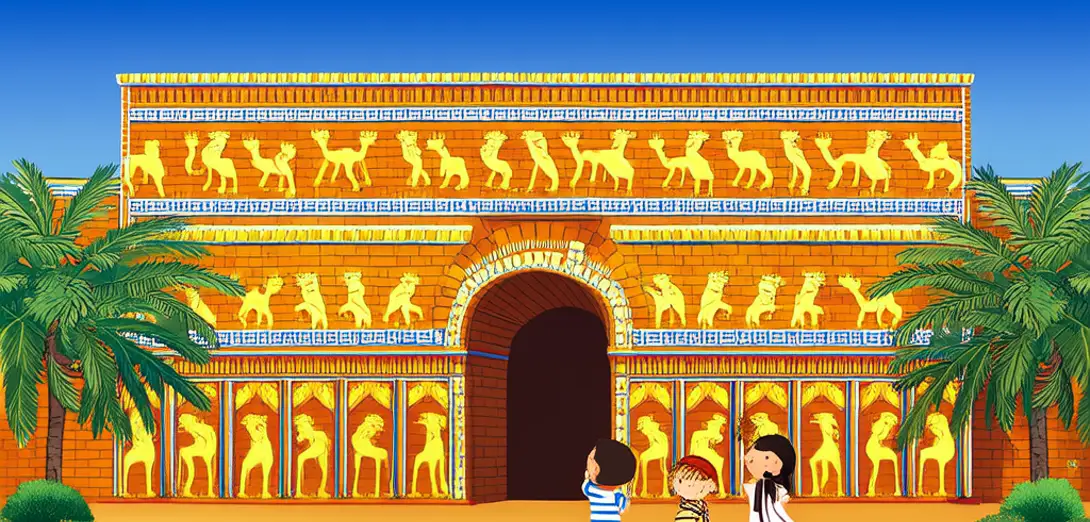
Monumental Gates That Marked Sacred and Political Thresholds
宏伟城门:神圣与政治边界的标记
-
Babylon’s Ishtar Gate shimmered with blue-glazed bricks and lion reliefs.巴比伦的伊什塔尔门闪耀着蓝釉砖和狮子浮雕。
-
Persepolis’ Gate of All Nations welcomed delegations from twenty-three lands.波斯波利斯的万国之门迎接来自二十三个地区的使团。
-
City gates controlled entry, collected taxes, and displayed royal power to all who passed.城门管控出入、征收税赋,并向所有过客彰显王权。
-
Temples and palaces often stood just beyond gates—symbolizing transition and order.神庙与宫殿常位于城门之后,象征过渡与秩序。
-
Carved inscriptions named kings, gods, and victories above each archway.每座拱门上方都刻有铭文,记载国王、神祇与胜利。
-
Gates were rebuilt after conquests to erase old rule and proclaim new authority.征服后城门常被重建,以抹去旧统治、宣告新权威。
-
Pilgrims, soldiers, and merchants all paused there—to pray, swear loyalty, or pay duty.朝圣者、士兵与商人都在此驻足——或祈祷、或宣誓效忠、或缴纳税赋。
-
More than entrances, these gates were statements carved in stone and color.这些城门不仅是入口,更是以石材与色彩镌刻的宣言。