正在确认阅读权限…
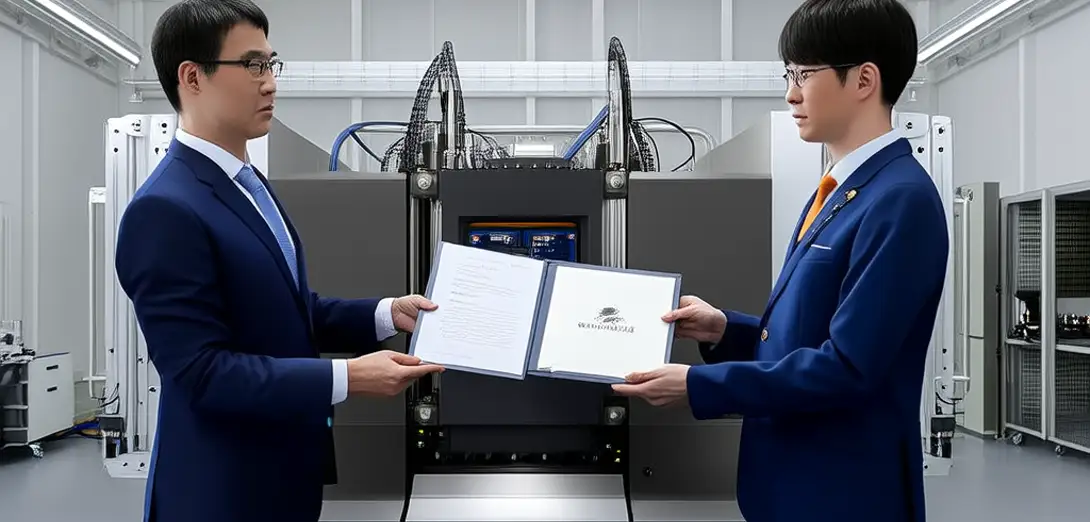
Batch-0026-001: Ritualized Handover Ceremonies in High-Value Equipment Commissioning Contracts
批次0026-001:高值设备验收合同中的仪式化交接典礼
-
When a $42 million semiconductor lithography tool arrives in TSMC’s Fab 18, its commissioning concludes not with a signature but with a ritualized handover ceremony codified in Annex D of the master equipment agreement.当一台价值4200万美元的半导体光刻设备运抵台积电Fab 18厂时,其启用流程并非以签字收尾,而是依主设备协议附件D所规定的仪式化交接典礼。
-
This ceremony requires simultaneous presence of vendor engineers, end-user technicians, independent metrology auditors, and a designated 'custodian' appointed by the buyer’s board—not merely procurement staff.该仪式要求设备供应商工程师、终端用户技术人员、独立计量审计员及买方董事会指定的‘保管人’(非仅采购人员)同时到场。
-
Physical tokens—like engraved calibration keys and sealed reference wafer sets—are exchanged only after completing three consecutive 72-hour stability runs under witnessed conditions.实体信物——如镌刻校准密钥和密封的标准晶圆组——须在见证条件下连续完成三次72小时稳定性运行后方可交接。
-
The ritual’s structure deliberately mirrors Japanese *shunen* traditions: duration, repetition, and witnessed continuity matter more than instantaneous technical validation.仪式结构刻意呼应日本‘旬年’传统:持续时长、重复动作与全程见证,比瞬时技术验证更为关键。
-
Unlike standard acceptance tests, this ceremony embeds accountability across time—requiring signatories to affirm performance sustainability, not just point-in-time functionality.不同于常规验收测试,该仪式将责任延伸至时间维度——签署方须确认性能可持续性,而非仅单一时点的功能达标。
-
Disputes rarely arise post-ceremony because the ritual establishes not just technical readiness but social legitimacy of operational transfer.仪式结束后极少发生争议,因其确立的不仅是技术就绪,更是运营移交的社会正当性。
-
Contract clauses specify ceremonial non-compliance triggers automatic reversion to vendor-operated mode—with cost recovery clauses activated retroactively to installation date.合同条款明确规定:若仪式未合规执行,则自动回退至厂商运维模式,且费用追偿条款自设备安装日起溯及生效。
-
Such ceremonies have spread beyond Asia: Dutch photovoltaic manufacturers now replicate them for solar cell production lines entering EU carbon border adjustment mechanism compliance.此类仪式已走出亚洲:荷兰光伏制造商现亦将其用于进入欧盟碳边境调节机制合规的太阳能电池产线。
-
They function as performative infrastructure—making intangible trust tangible through choreographed, jurisdictionally neutral acts.它们作为表演性基础设施,通过编排严谨、司法中立的行为,将无形信任具象化。
-
Legal counsel increasingly drafts ceremonial timelines with same rigor applied to delivery milestones or penalty clauses.法律顾问日益以同等严谨度起草仪式时间表,一如对待交付节点或违约罚则。
-
The ceremony does not replace testing; it elevates testing into a socially ratified milestone within the broader order lifecycle.该仪式并非取代测试,而是将测试升格为全生命周期中经社会共同认可的关键里程碑。
-
Ultimately, it acknowledges that high-stakes equipment handover is less about machines and more about the irreversible delegation of technological sovereignty.归根结底,它承认:高风险设备交接,核心不在机器本身,而在于不可逆地让渡技术主权。