正在确认阅读权限…
Batch-0026-011: Embedded Audit Trails in Real-Time Inventory Visibility Platforms
批次0026-011:实时库存可视平台中的嵌入式审计追踪
-
Modern inventory platforms no longer generate audit trails as afterthought reports but embed them as immutable layers within every stock movement—capturing not just quantity changes but contextual metadata like weather conditions during warehouse receipt or operator fatigue scores from biometric wearables.现代库存平台不再将审计追踪作为事后报告,而是将其作为不可变层嵌入每一次库存变动中——不仅记录数量变化,还捕获上下文元数据,例如仓库收货时的天气状况或操作员生物可穿戴设备测得的疲劳分数。
-
These traces are cryptographically chained, ensuring that any attempt to alter a pallet’s location timestamp automatically invalidates all subsequent entries in that chain—not just the tampered record.这些追踪记录通过密码学方式链式连接,确保一旦篡改某托盘的位置时间戳,该链上所有后续条目将自动失效——而不仅限于被篡改的那一条记录。
-
A South Korean electronics distributor detected systematic mislabeling after its platform flagged 147 instances where ‘QC-passed’ status was assigned 12 seconds before actual test completion—impossible per SOP timing logic.一家韩国电子分销商通过平台发现系统性标签错误:平台标记出147起‘质检通过’状态在实际测试完成前12秒即被赋予的情况,这明显违反标准作业流程的时间逻辑。
-
Unlike legacy ERP logs, these trails retain source fidelity: integrating GPS coordinates from forklifts, humidity readings from RFID tags, and even voice-command transcripts from warehouse workers’ AR glasses.与传统ERP日志不同,这些追踪记录保留原始数据保真度:整合叉车GPS坐标、RFID标签湿度读数,甚至仓库工人AR眼镜发出的语音指令转录文本。
-
Regulatory submissions now require trace-level verification—not aggregate summaries—meaning customs authorities can drill down to individual bin scans supporting duty classification claims.监管申报现要求逐条追踪验证,而非汇总摘要——这意味着海关机构可下钻至单个货位扫描记录,以支撑关税分类主张。
-
The platform’s design philosophy treats auditability not as compliance overhead but as first-class data architecture: every query returns both result and provenance path.该平台的设计理念将可审计性视为核心数据架构,而非合规负担:每次查询均同时返回结果及其溯源路径。
-
Third-party auditors no longer request exports; they access read-only, time-gated portals where every inventory adjustment displays its full causal lineage in real time.第三方审计员不再索取导出文件,而是通过只读、时效受限的门户实时访问,每项库存调整均即时展示其完整因果脉络。
-
This shifts liability attribution from ‘who approved?’ to ‘what contextual conditions enabled this decision?’—a critical distinction in multi-tier subcontractor environments.这使责任归属从‘谁批准的?’转向‘哪些上下文条件促成了该决策?’——在多级分包环境中尤为关键。
-
Manufacturers report 63% faster root-cause analysis for stock discrepancies because audit trails expose environmental, procedural, and human factors simultaneously.制造商反馈,由于审计追踪能同步揭示环境、流程及人为因素,库存差异的根本原因分析速度提升63%。
-
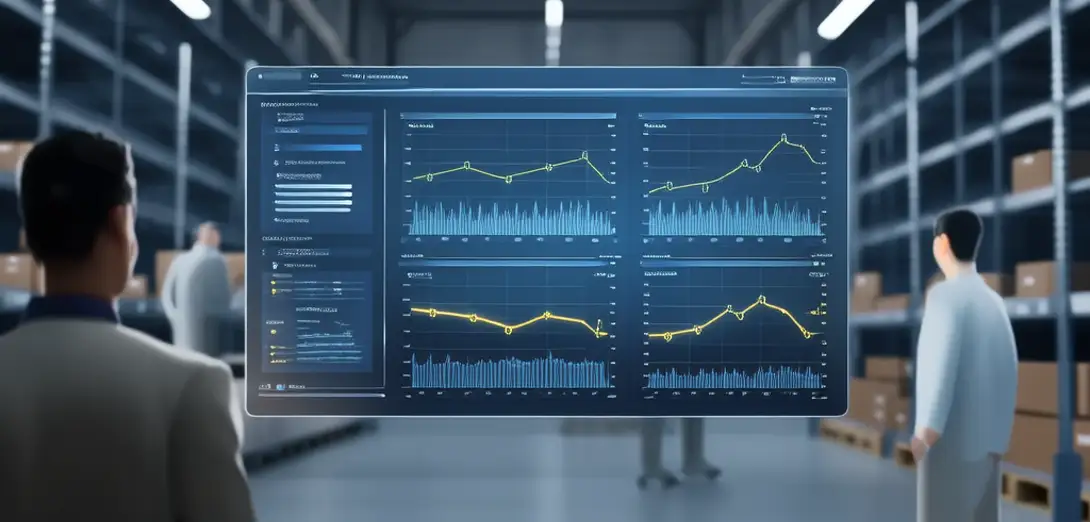
Platforms now include ‘trace health scoring’ dashboards showing percentage of movements with complete contextual metadata—used internally as KPI for operational discipline.平台现已内置‘追踪健康评分’看板,显示具备完整上下文元数据的库存变动占比——内部用作运营规范性的关键绩效指标。
-
Embedded trails thus transform inventory from a static snapshot into a dynamic narrative of material provenance and process fidelity.嵌入式追踪 thus 将库存从静态快照转变为关于物料溯源与流程保真的动态叙事。
-
They make visibility not just observable—but forensically defensible across the entire order journey.它们让可见性不仅可观察,更在整个订单旅程中具备法证级可辩护性。