正在确认阅读权限…
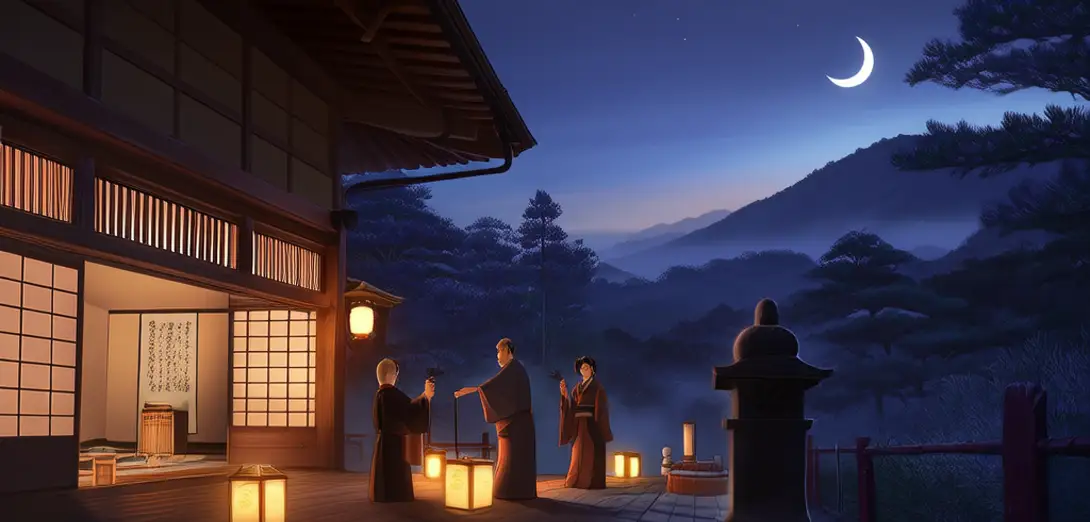
Cultural Calibration of Time Perception During Japan’s Obon Festival
日本盂兰盆节中时间感知的文化校准
-
In rural Kyoto, families adjust ancestral altar lighting schedules according to lunar-phase-dependent twilight duration rather than clock time.在京都乡村,家家户户根据月相决定的暮光时长,而非钟表时间,调整祖先神龛的点灯时刻。
-
Local priests recite sutras at precise solar zenith angles that shift daily across the three-week Obon period, anchoring ritual timing to celestial mechanics.当地僧侣在盂兰盆节为期三周的期间,每日依太阳天顶角的细微变化,在精确时刻诵经,使仪式时间锚定于天体力学。
-
Traditional bon odori dance formations synchronize with seasonal wind patterns observed over centuries, not metronomic beat counts.传统盆舞队形随数百年来观测到的季节性风向变化而同步,而非机械节拍。
-
Grave visits occur during civil twilight—when atmospheric scattering produces optimal spectral contrast for lantern visibility and emotional resonance.扫墓安排在民用暮光时段——此时大气散射恰使灯笼光影对比度最佳,既利于辨识,又增强情感共鸣。
-
Urban Tokyo adaptations retain this photometric logic but compress temporal windows using calibrated LED intensity decay profiles mimicking candle flicker.东京都市版虽沿用这一光度学逻辑,却通过校准LED光强衰减曲线(模拟烛火闪烁)压缩了时间窗口。
-
The festival thus functions as a living chronobiological interface between astronomical cycles, atmospheric optics, and intergenerational memory.因此,这一节日实为天文周期、大气光学与代际记忆之间活态的生物钟学接口。