正在确认阅读权限…
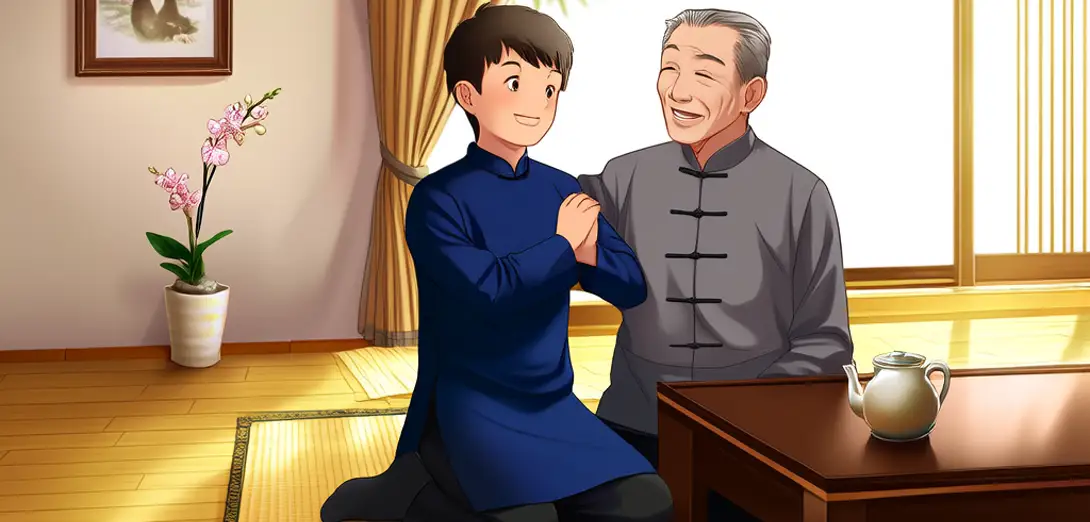
Respecting Elders in Vietnamese Family Gatherings
越南家庭聚会中的敬老礼仪
-
In Vietnam, children bow slightly and say 'Chào bác' when meeting older relatives for the first time each day.在越南,孩子每天首次见到年长亲戚时会微微鞠躬并说‘您好,叔叔/阿姨’。
-
During Tết, the Lunar New Year, elders give lucky money in red envelopes to younger family members who kneel respectfully.春节(农历新年)期间,长辈会给晚辈发装有压岁钱的红包,晚辈则恭敬跪拜。
-
Younger people never call elders by their first names — instead, they use kinship terms like 'chú' or 'cô'.晚辈从不直呼长辈名字,而用‘叔叔’‘阿姨’等亲属称谓。
-
At meals, the eldest person always begins eating first, and others wait until they are served and seated.用餐时,长辈先动筷,其他人须等其落座并开始进食后才可开吃。
-
If an elder enters the room, everyone stands up briefly as a sign of respect, even during conversation.若有长辈进屋,无论正在交谈与否,众人皆需短暂起立以示尊重。
-
Gifts for elders are wrapped carefully in red or yellow paper — white is avoided because it symbolizes mourning.赠予长辈的礼物须用红或黄色纸精心包裹,忌用白色,因白色象征丧事。
-
When speaking, younger people use softer tones and avoid interrupting, even if they disagree politely.交谈时,晚辈语调柔和,即便礼貌持不同意见也不随意打断。
-
Visiting grandparents’ homes requires bringing fruit or tea, never empty-handed, as this shows sincerity and care.探望祖父母须携水果或茶叶,切忌空手,以表真诚与关怀。