正在确认阅读权限…
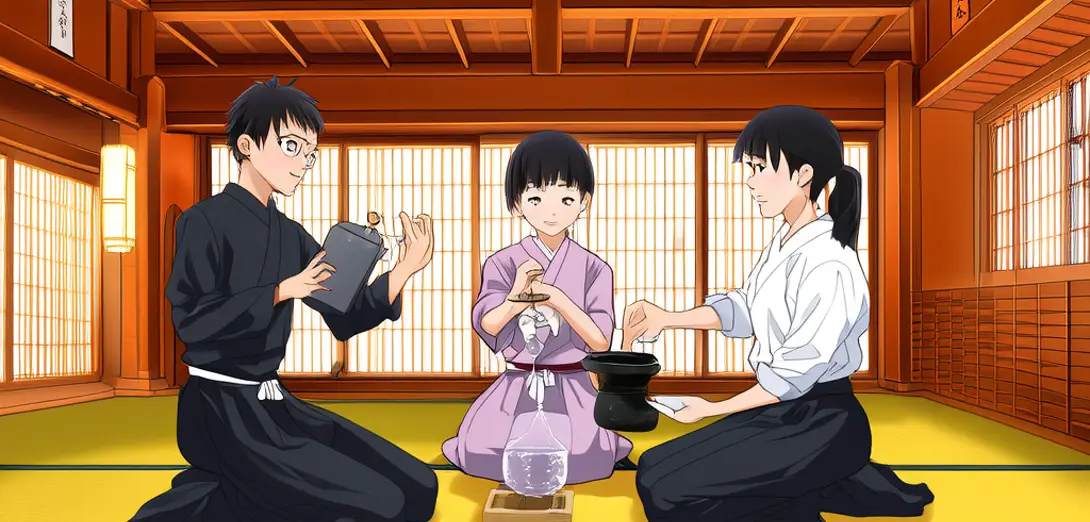
Ceremonial Ink and Lineage Scrolls in Okinawan Shuri Palace Calligraphy Rites
冲绳首里城书法仪典中的仪式墨与家系卷轴
-
Every autumn, calligraphers from Naha prepare ink using soot from sacred pine resin and local water.每年秋天,那霸的书法家们用神圣松脂燃烧产生的烟灰和当地水源制墨。
-
They write family names on long indigo-dyed scrolls that hang in Shuri Palace’s east corridor.他们在靛蓝染就的长卷上书写家族姓氏,悬挂在首里城东廊。
-
Each stroke must follow ancient Ryukyuan brush angles passed down through seven generations.每一笔都须遵循代代相传七代的琉球古法运笔角度。
-
Young apprentices kneel on tatami mats, holding inkstones steady while masters write without pausing.年轻学徒跪坐于榻榻米上,稳稳托住砚台,师傅则一气呵成,毫不停顿。
-
The completed scrolls are rolled with cedarwood rods and stored in lacquered boxes lined with washi paper.完成的卷轴以杉木杆卷起,收存于内衬和纸的漆盒中。
-
Families visit during the ‘Scroll Viewing Week’ to trace their ancestors’ names with fingertips, not pens.家族成员在‘卷轴观览周’期间前来,仅用指尖轻抚祖先姓名,不用笔书写。
-
A single drop of ink spilled during writing is seen as a sign the spirit is guiding the hand.书写时若滴落一滴墨,被视为先灵正引导执笔者之手。
-
No scroll leaves the palace unless carried by two people—one holds the rod, one holds the tail.任何卷轴离宫,必由两人共持——一人执杆,一人托尾。
-
Even today, elders recite the names aloud as each scroll unfurls before the ancestral altar.直至今日,长者仍于卷轴在祖先神龛前徐徐展开时,高声诵读其上姓名。
-
The ink’s scent—smoky, deep, and faintly sweet—lingers in the corridor for weeks after the rite.墨香——微烟、深沉、略带甘甜——仪式结束后数周仍萦绕廊间。