正在确认阅读权限…
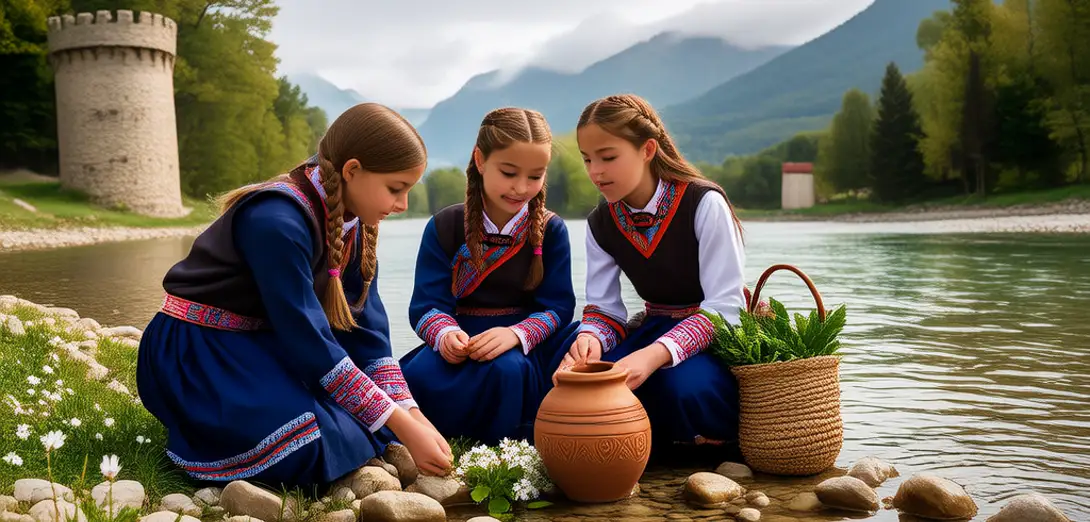
Riverbank Whispers and Clay Vessel Burials in Georgian Svaneti’s Spring Purification
格鲁吉亚斯瓦涅季春季净礼中的河岸低语与陶器埋葬
-
In early May, Svan families gather at the Enguri River’s upper bends where water runs clearest.五月初,斯万族家庭齐聚恩古里河上游最清澈的河湾。
-
They shape small unglazed clay vessels, each inscribed with a personal wish scratched in charcoal.他们手工捏制小型无釉陶器,每只陶器上都用炭条刻下个人心愿。
-
At dawn, they walk barefoot downstream, whispering regrets into the wind—not to others, but to the current.黎明时分,他们赤足沿河而下,将悔意低语随风送入河水——不向他人倾诉,只交付流水。
-
Each person buries their vessel upside-down beneath river stones where roots of wild thyme grow thick.每人将陶器倒扣埋入河石之下,那里野百里香根系茂密。
-
No one digs them up; the clay dissolves slowly, carrying words into the watershed’s quiet memory.无人再挖出陶器;黏土缓缓溶解,将话语带入流域静默的记忆。
-
Elders say the river forgets nothing but never judges—it only carries forward what is released.长者说,河水从不遗忘,亦从不评判——它只承载那些被释怀之物。
-
Children place smooth pebbles on each burial site, marking absence without naming loss.孩童在每处埋藏地放上光滑卵石,以空位标记缺席,却不点明失去。
-
Women tie blue threads around wristbands, knotting one for each vessel buried that morning.妇女将蓝线系于腕带上,每埋一只陶器便打一个结。
-
The ritual ends with shared bread baked in outdoor ovens shaped like ancient Svan towers.仪式以共享面包收尾,面包在形似古老斯万塔楼的户外烤炉中烘烤而成。
-
Afterward, no one speaks of sorrow until the next spring’s riverbank whispers begin anew.此后,直至来年春日河岸低语再度响起,再无人提及悲伤。