正在确认阅读权限…
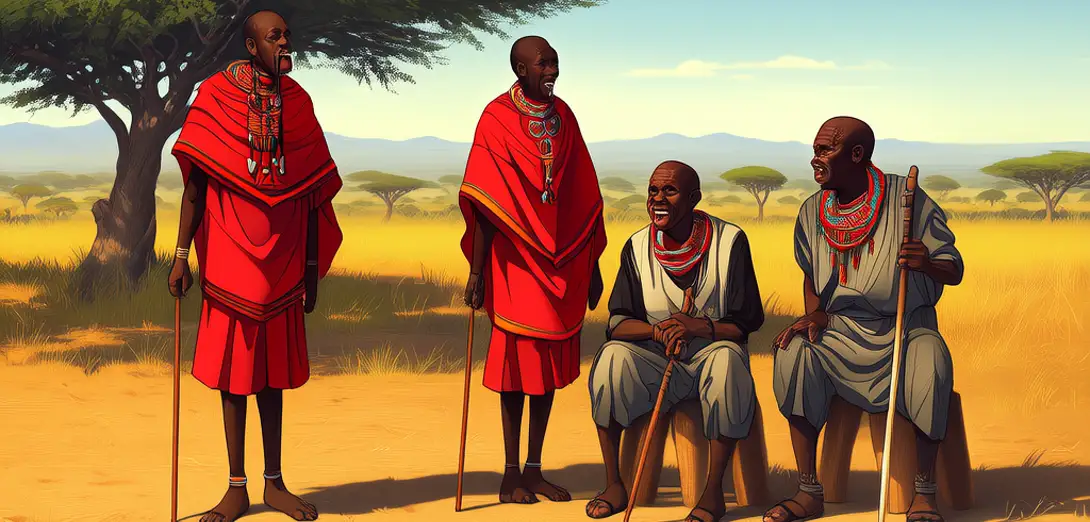
Greeting Customs Among Maasai Warriors in Kenya
肯尼亚马赛战士的传统问候方式
-
Maasai warriors greet elders by clicking their tongues loudly three times while standing tall and proud.马赛战士挺直身躯、昂首挺胸,用舌头发出三声清脆响声向长者致意。
-
Young men approach slowly, lower their spears, and speak only after being acknowledged — silence shows humility and discipline.年轻人缓缓走近,放下长矛,待长者示意后才开口说话——沉默体现谦逊与自律。
-
A respectful greeting includes touching the elder’s shoulder lightly with the right hand, never the left, which is considered unclean.表示敬意的问候方式是用右手轻触长者肩膀,绝不可用左手,因左手被视为不洁。
-
When visiting a manyatta (village), guests receive warm milk mixed with cattle blood as a sign of welcome and strength.访客抵达马亚塔(村落)时,会获赠温热的牛奶混牛血饮品,象征欢迎与力量。
-
Women greet each other by singing short call-and-response songs that praise beauty, courage, or family ties.女性彼此问候时,以简短的呼答式歌曲相互唱和,赞颂美貌、勇气或亲情。
-
Strangers are not approached directly; instead, a local youth acts as intermediary to explain purpose and intent peacefully.陌生人不得直接接近;须由当地青年担任中间人,平和说明来意与目的。
-
Names carry deep meaning — calling someone by their personal name without permission is seen as bold and inappropriate.名字蕴含深意——未经许可直呼其名被视为冒失且失礼。
-
Even during celebrations like Eunoto, greetings remain formal until elders initiate warmth through laughter or shared stories.即便在恩诺托等庆典期间,问候也保持庄重,直至长者以笑声或共叙故事开启亲切氛围。