正在确认阅读权限…
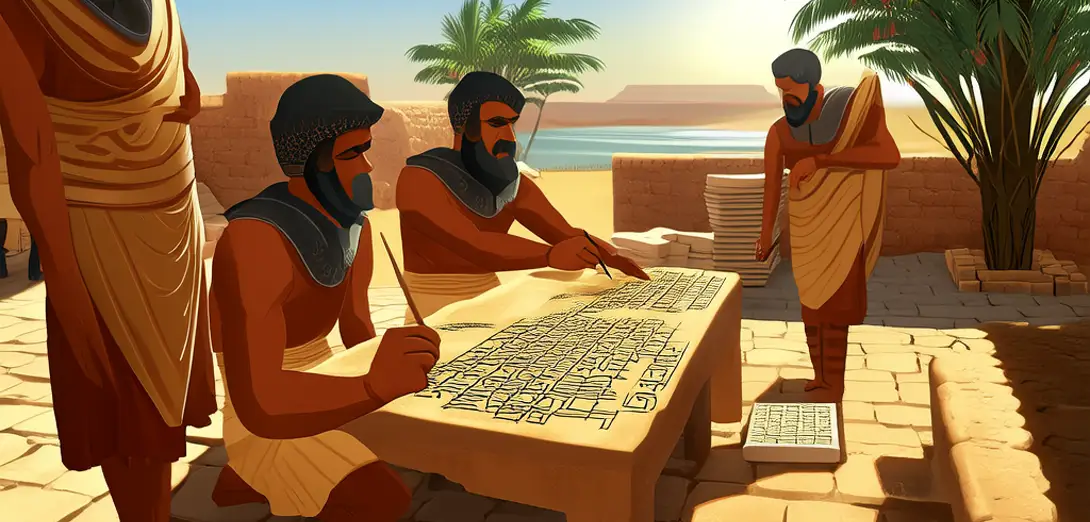
The Invention of Writing in Ancient Sumer
苏美尔文字的诞生
-
Around 3400 BCE, people in southern Mesopotamia began pressing wedge-shaped marks into soft clay.约公元前3400年,南美索不达米亚人开始在软泥板上压刻楔形符号。
-
These early symbols recorded grain deliveries, temple offerings, and trade agreements.这些早期符号用于记录谷物交付、神庙供奉和贸易协议。
-
Scribes trained for years to master hundreds of signs that represented both sounds and meanings.书吏需经多年训练,才能掌握数百个既表音又表意的符号。
-
Unlike pictures, cuneiform could express abstract ideas like 'justice' or 'eternity'.与图画不同,楔形文字能表达‘正义’‘永恒’等抽象概念。
-
Writing allowed laws, stories, and religious texts to survive across generations.文字使法律、故事和宗教典籍得以跨越世代传承。
-
Temples and palaces employed scribes to manage growing economic complexity.神庙与王宫雇用书吏,以应对日益复杂的经济事务。
-
Over time, the script spread to Akkadians, Babylonians, and Assyrians with local adaptations.随着时间推移,这种文字传播至阿卡德人、巴比伦人和亚述人,并衍生出本地化变体。
-
This innovation marked humanity’s first step from memory-based to record-based civilization.这一创新标志着人类首次从依赖记忆的文明迈入依托记录的文明。