正在确认阅读权限…
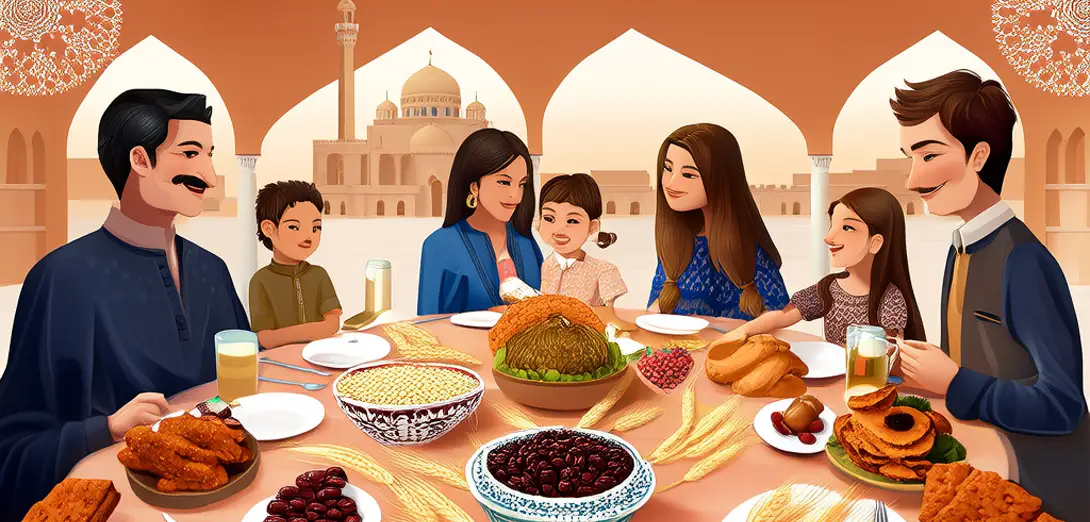
The Nowruz Haft-Seen Table in Isfahan’s Historic Meydan
伊斯法罕皇家广场上的诺鲁孜节‘七鲜桌’
-
On the vernal equinox, families gather around haft-seen tables placed in Isfahan’s Naqsh-e Jahan Square.春分时节,家家户户齐聚伊斯法罕伊玛目广场的七宝桌旁。
-
Each of the seven symbolic items—like sabzeh (sprouted wheat) and senjed (dried lotus fruit)—carries poetic meaning.七种象征物——如青苗(发芽小麦)和藏红花果(干 Lotus 果)——各具诗意内涵。
-
Artisans from nearby Qom hand-paint ceramic bowls used for displaying the traditional elements.邻近库姆的匠人手绘陶瓷碗,用以盛放传统七宝。
-
Old men recite Hafez poetry while children light candles beside mirrors reflecting spring light.老人吟诵哈菲兹诗篇,孩童在映照春光的镜旁点燃蜡烛。
-
The table sits beneath Safavid-era arches, where merchants once traded Persian carpets and saffron.七宝桌置于萨法维时期的拱廊下,昔日商贾曾在此交易波斯地毯与藏红花。
-
Neighbors exchange gifts wrapped in cloth printed with verses from Ferdowsi’s Shahnameh.邻里互赠包裹着菲尔多西《列王纪》诗句印花布的礼物。
-
A local poet reads new couplets composed to honor women who preserved Nowruz during Soviet bans.本地诗人朗诵新作对句,致敬苏联禁令期间守护诺鲁孜节的女性。
-
Young calligraphers copy ancient Pahlavi inscriptions onto rice paper placed beside the mirror.年轻书法家将古巴列维铭文誊抄于镜旁的宣纸上。
-
No two haft-seen tables look alike, yet all obey unwritten rules of balance and reverence.每张七宝桌各不相同,却都恪守平衡与敬意的不成文法则。
-
At noon, when the sun crosses the equator, silence falls—then laughter rises like steam from saffron tea.正午时分,太阳越过赤道,万籁俱寂——随即笑声如藏红花茶蒸气般升腾。