正在确认阅读权限…
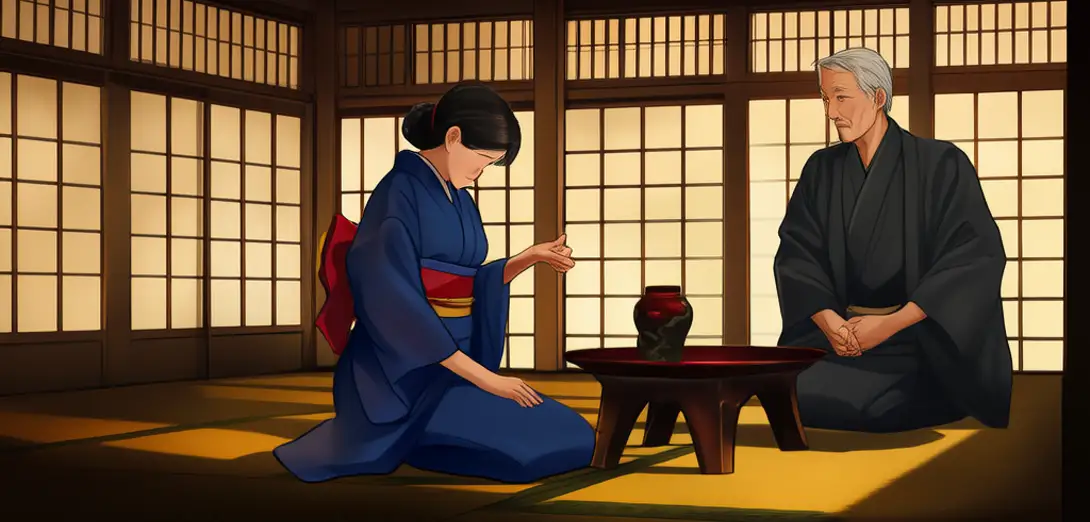
Ritual Precision in Kyoto: Tea Ceremony as Negotiated Silence Across Generations
京都的仪式精度:茶道作为代际间协商的静默
-
In Kyoto’s historic machiya houses, the tea ceremony unfolds not as performance but as calibrated social grammar.在京都古老町屋中,茶道并非表演,而是一套经过精密校准的社会语法。
-
Every gesture—from wrist angle to the precise rotation of the chawan—carries layered meaning understood only through years of embodied practice.每个动作——从手腕角度到茶碗的精准旋转——都蕴含多重意义,唯有通过多年身体力行才能领会。
-
Young practitioners now reinterpret silence not as deference but as active listening shaped by digital-era attention economies.年轻习茶者如今将沉默重新诠释为一种主动倾听,其形态深受数字时代注意力经济影响。
-
Hosts subtly adjust timing and sequence when serving foreign guests, preserving core aesthetics while softening hierarchical cues.主人接待外国宾客时会微妙调整奉茶节奏与顺序,在保留核心美学的同时弱化等级暗示。
-
The charcoal fire’s arrangement signals seasonal awareness far more than calendar dates ever could in this agrarian-rooted cosmology.炭火的摆放方式所体现的季节意识,远胜于农耕宇宙观中任何日历日期。
-
Guests’ seating position reflects unspoken status negotiations that rarely appear in official cultural guides.宾客座次暗含未言明的身份博弈,这类细节极少见于官方文化指南。
-
Modern ceramicists collaborate with neuroscientists to measure how rhythmic ladle movements affect interoceptive awareness in participants.当代陶艺家与神经科学家合作,测量节奏性舀水动作如何影响参与者的内感受觉。
-
Even the choice of washi paper for calligraphy scrolls encodes regional identity, economic history, and ecological memory.即便书法卷轴所用和纸的选择,也编码着地域身份、经济史与生态记忆。
-
When a Kyoto master declines an invitation to teach abroad, it’s less about isolationism and more about safeguarding contextual integrity.京都茶道大师婉拒海外教学邀约,并非出于封闭心态,而是为守护仪式的情境完整性。
-
The ritual’s endurance lies not in static repetition but in its capacity to absorb critique without collapsing its ethical scaffolding.这一仪轨的存续,不靠僵化重复,而在于它能吸纳批判却不损其伦理骨架。
-
Foreign observers often mistake restraint for passivity, overlooking how each pause functions as semantic punctuation in relational discourse.外国观察者常将克制误读为消极被动,却忽视每一次停顿实为关系性对话中的语义标点。
-
This is not tradition preserved behind glass—it’s living syntax, constantly revised in quiet rooms where breath and bamboo coexist.这并非陈列于玻璃柜中的传统——而是鲜活的语法,在呼吸与竹影共存的静室中持续修订。