正在确认阅读权限…
Samba Schools and Social Cartography: Rio’s Carnival as Urban Memory Infrastructure
桑巴学校与社会地图学:里约狂欢节作为城市记忆基础设施
-
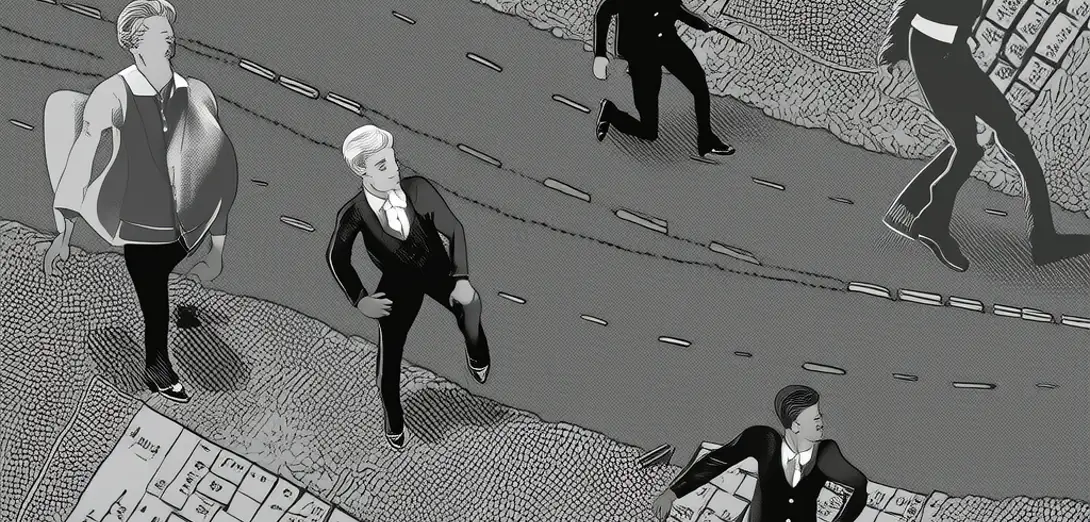
Rio’s samba schools map favela histories onto parade routes, transforming asphalt into palimpsests of contested belonging.里约的桑巴学校将贫民窟历史投射到游行路线上,把柏油路变成归属权争议层层叠叠的活页手稿。
-
Each escola’s theme year after year reanimates erased narratives—from quilombo resistance to post-dictatorship labor organizing.每所学校的年度主题年复一年重唤被抹去的叙事——从逃奴堡抗争到后独裁时期的劳工组织。
-
Costume designers source fabrics from Bahian textile cooperatives, embedding regional economies into national spectacle.服装设计师从巴伊亚州纺织合作社采购布料,将地区经济嵌入国家盛事。
-
Judges evaluate not just choreography but historical fidelity, forcing research teams to consult oral historians and municipal archives.评委不仅评判编舞,更考察历史准确性,迫使研究团队咨询口述史学者和市政档案馆。
-
The ‘bateria’ drum section’s tempo shifts encode neighborhood-specific rhythms developed during decades of informal street rehearsals.打击乐组‘Bateria’的节奏变化暗藏各社区特有韵律,这些韵律源于数十年非正式街头排练。
-
Corporate sponsorship contracts now require cultural impact assessments—measuring how floats influence local school curricula on Afro-Brazilian history.如今企业赞助合同要求开展文化影响评估——衡量花车如何影响当地学校关于非裔巴西历史的课程设置。
-
Teenagers from Maré learn cartography by sketching parade logistics, turning route planning into spatial literacy training.马雷地区的青少年通过绘制游行路线图学习制图,将路线规划转化为空间素养训练。
-
When a school references the 1964 coup, it does so through allegorical floats—not protest banners—maintaining carnival’s legally protected expressive autonomy.当某所学校影射1964年政变时,它借助寓言式花车而非抗议横幅,维系狂欢节受法律保护的表达自主权。
-
The samba-enredo lyrics function as vernacular historiography, compressing complex political timelines into singable refrains.主题桑巴歌词发挥着民间史学功能,将复杂政治时间线压缩为可传唱的副歌。
-
Critics argue that commercialization dilutes authenticity, yet community elders affirm that adaptation has always been central to the genre’s survival.批评者称商业化削弱了真实性,但社区长者坚称适应力向来是该流派存续的核心。
-
Carnival’s ‘cordões’—informal street groups—rehearse in abandoned warehouses, converting industrial decay into sites of intergenerational knowledge transfer.狂欢节的‘绳队’(非正式街头团体)在废弃仓库排练,将工业废墟转化为代际知识传递场所。
-
This is urban memory not archived but performed, not narrated but embodied across three million moving bodies in real time.这是未被存档、而是被表演的城市记忆,不是被讲述、而是由三百万人实时以身体承载的记忆。