正在确认阅读权限…
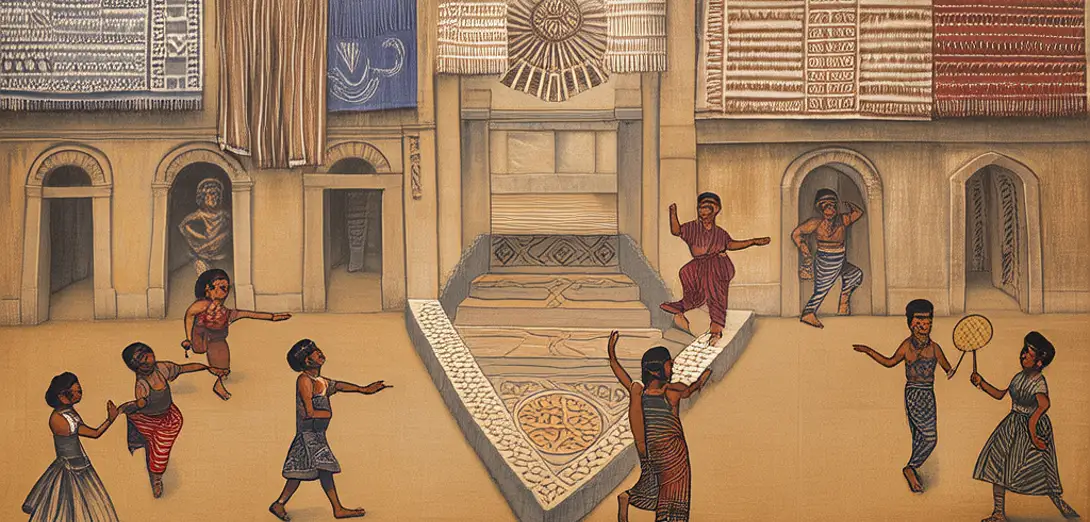
Festival Architecture in Oaxaca: Guelaguetza as Spatial Syntax of Indigenous Sovereignty
瓦哈卡的节日建筑学:古拉圭察节作为原住民主权的空间句法
-
Oaxaca’s Guelaguetza transforms city plazas into temporary grammars where Zapotec, Mixtec, and Chatino languages shape spatial flow—not just sound.瓦哈卡的‘圭拉圭查’节将城市广场临时变为语法空间,萨波特克语、米斯特克语和查蒂诺语在此塑造空间流动,而不仅是发出声音。
-
Dance troupes don’t merely perform; they reoccupy colonial-era civic spaces using choreographic pathways that mirror pre-Hispanic land surveys.舞蹈团并非单纯表演,而是通过编舞路径重新占据殖民时期的公共空间,这些路径仿照前西班牙时代的土地勘测方式。
-
Handwoven textiles displayed during the festival function as encrypted land titles, their patterns referencing specific river valleys and mountain ridges.节庆期间展出的手工编织纺织品充当加密的地契,其图案指向特定的河谷与山脊。
-
Municipal permits now require bilingual signage in indigenous languages—a policy shift born from decades of grassroots linguistic mapping projects.市政许可如今要求使用土著语言的双语标牌——这一政策转变源于数十年来基层语言地图绘制项目。
-
Food vendors arrange mole stalls not by profit margin but by ancestral alliance networks, making gastronomy a form of diplomatic cartography.食品摊贩按祖先联盟网络而非利润高低安排摩尔酱摊位,使美食成为一种外交制图形式。
-
Youth collect oral histories from elders during rehearsal breaks, transcribing dialectal variants into digital archives linked to geographic coordinates.青年在排练间隙采集长者口述史,将方言变体转录为数字档案,并关联地理坐标。
-
The festival’s ‘guelaguetza’ principle—reciprocal gift exchange—is enforced through communal labor obligations, not monetary contracts.节庆的‘圭拉圭查’原则——互惠赠礼——通过集体劳动义务落实,而非金钱契约。
-
When a troupe from San Juan Quiahije performs, their footwork traces hydrological maps of local aquifers invisible beneath concrete streets.来自圣胡安基亚希耶的舞团表演时,舞步勾勒出隐于水泥街道之下的本地含水层水文地图。
-
Tour operators must undergo intercultural mediation training, recognizing that ‘authenticity’ resides in governance structures—not costume accuracy.旅游运营商须接受跨文化调解培训,认识到‘真实性’存于治理结构之中,而非服饰是否准确。
-
Academic researchers now collaborate with community councils to annotate live-stream feeds with context layers unavailable to external viewers.学术研究者如今与社区委员会合作,在直播流中添加外部观众无法获取的情境图层注释。
-
This is sovereignty enacted not through declarations but through repeated bodily alignments across generations and geographies.这种主权并非借宣言实现,而是通过代际与地域间持续的身体协同得以践行。
-
The plaza becomes neither stage nor museum—it’s a verb, conjugated daily through movement, memory, and mutual accountability.广场既非舞台亦非博物馆——它是一个动词,每日借由行动、记忆与相互责任被不断变位。