正在确认阅读权限…
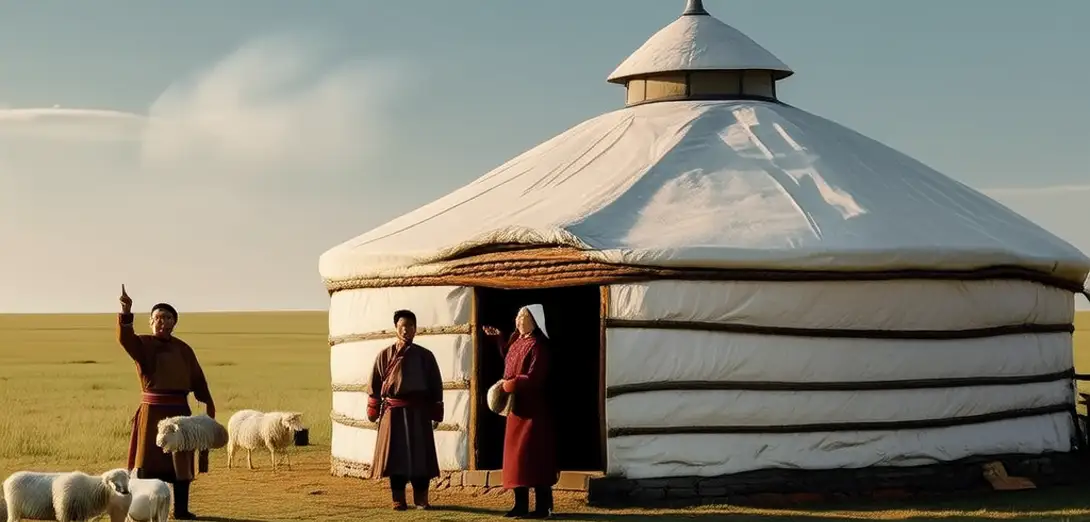
Nomadic Hospitality Codes: Mongolian Ger Etiquette as Environmental Epistemology
游牧 hospitality规范:蒙古包礼仪作为环境认识论
-
Entering a ger requires reading wind direction, livestock placement, and smoke density—not just knocking or waiting for invitation.进蒙古包前需观察风向、牲畜位置和烟雾浓度,而不仅是敲门或等待邀请。
-
The threshold orientation toward the south reflects centuries of astronomical observation fused with spiritual geography.门槛朝南的朝向,体现了数百年天文观测与精神地理学的融合。
-
Guests who sit cross-legged near the stove demonstrate awareness that heat distribution maps social hierarchy and thermal necessity.客人盘腿坐在炉边,表明其意识到热量分布既关乎社会等级,也关乎取暖需求。
-
Offering dairy products before meat isn’t mere custom—it signals recognition of seasonal pasture cycles and lactation rhythms.先敬奶食后奉肉食,并非单纯习俗,而是对牧草季节更替与牲畜泌乳节律的认知表达。
-
Elders assess newcomers not by speech but by how they handle the khadag scarf, interpreting folds as micro-gestures of intent.长者不凭言语评判新人,而通过其如何持握哈达来判断——褶皱细微之处即显露意图。
-
Modern herders integrate GPS trackers into traditional rope knots, merging satellite navigation with ancestral wayfinding logic.现代牧民将GPS追踪器嵌入传统绳结,使卫星导航与祖先的寻路逻辑融为一体。
-
The absence of chairs isn’t austerity—it’s deliberate biomechanical design supporting mobility across variable terrain.蒙古包内不设椅子,并非出于简朴,而是为适应多变地形、支持身体灵活移动的生物力学设计。
-
When a visitor places boots incorrectly, it’s read not as rudeness but as epistemic dislocation from steppe-based spatial reasoning.访客若靴子摆放不当,所被解读的并非失礼,而是其脱离草原空间认知方式的知识错位。
-
Ger interiors encode climate adaptation: felt thickness varies by region, and door latches respond to temperature-induced wood expansion.蒙古包内部蕴含气候适应智慧:毛毡厚度依地域而异,门闩则随木材热胀冷缩自动调节。
-
Young Mongolians debate whether streaming ceremonies online preserves or fractures the reciprocity inherent in face-to-face witness.蒙古青年正争论:在线直播仪式,究竟是延续还是瓦解了面对面见证所固有的互惠关系?
-
Hospitality here operates as distributed cognition—knowledge shared across human, animal, weather, and architecture without centralized instruction.此处的待客之道是一种分布式认知——知识在人、牲畜、天气与建筑之间共享,无需中心化指令。
-
This isn’t folklore preserved; it’s adaptive intelligence continuously tested against drought, dust storms, and shifting trade corridors.这并非被保存的 folklore(民间传说),而是持续经受干旱、沙尘暴与贸易通道变迁考验的适应性智慧。