正在确认阅读权限…
Threshold Etiquette in Kyoto Machiya: Domestic Thresholds as Negotiated Social Boundaries
京都町屋的门槛礼仪:住宅门槛作为协商式社会边界的日常实践
-
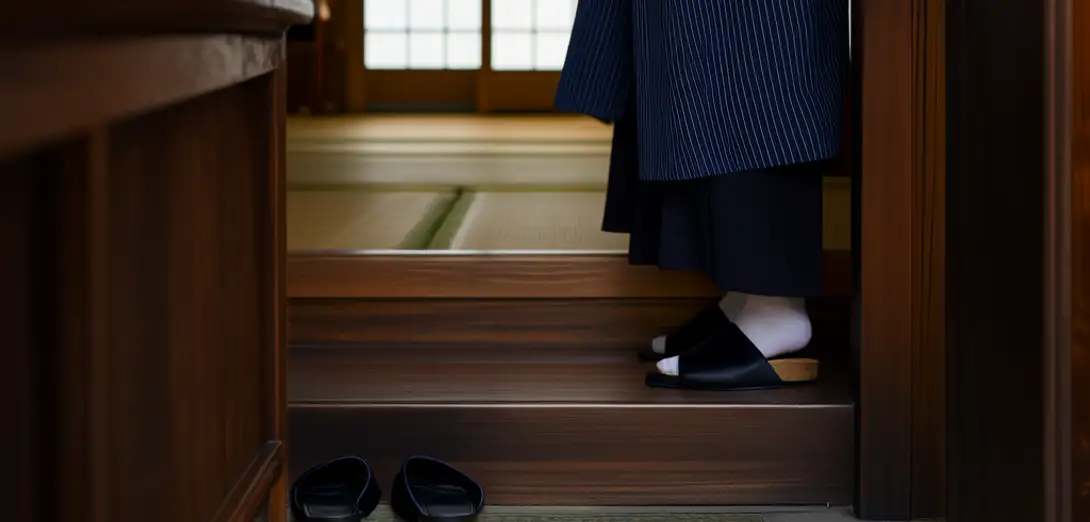
In traditional Kyoto machiya, the physical threshold—often a raised wooden step—functions as a subtle but non-negotiable social demarcation line.在京都传统町屋中,物理门槛——常为一道抬高的木阶——充当微妙却不可逾越的社会分界线。
-
Guests pause there deliberately, removing footwear only after explicit verbal or gestural permission from the host.客人会在此刻意停顿,仅在主人明确以言语或手势示意后才脱鞋。
-
This pause is not mere formality; it embodies a shared understanding of spatial hierarchy and relational readiness.这一停顿绝非流于形式,而是体现了对空间等级与关系准备度的共同认知。
-
Unlike Western doorways where entry signals immediacy, the machiya threshold demands temporal calibration between host and visitor.不同于西方门廊入口所暗示的即刻进入,町屋门槛要求主客之间进行时间上的默契校准。
-
Even longtime neighbors observe this rhythm, adjusting their pace and posture to honor unspoken reciprocity.即便是多年邻里也遵循这一节奏,主动调整步速与姿态,以示对心照不宣的互惠的尊重。
-
Foreign residents report that misreading this pause—stepping over too quickly—can unintentionally convey presumption or impatience.外籍居民反映,若误读这一停顿——过快跨过门槛——可能无意间流露出冒昧或急躁。
-
The threshold thus operates as a micro-site of intercultural negotiation, where silence carries lexical weight.因此,门槛成为一处微观的文化协商场域,沉默在此承载语义重量。
-
It reflects a broader cultural logic wherein access is granted relationally, not spatially or procedurally.它折射出一种更深层的文化逻辑:准入权依关系而授,而非依空间或程序而定。
-
Modern renovations sometimes omit the step, yet many families reinstall symbolic thresholds to preserve this embodied grammar.现代翻修有时省去木阶,但许多家庭仍重设象征性门槛,以延续这种具身化的礼仪语法。
-
Such practices resist standardization, insisting instead on context-sensitive, person-anchored protocols.此类实践抗拒标准化,坚持情境敏感、以人为中心的交往规范。
-
What appears architectural is, in fact, sustained linguistic labor enacted through posture, timing, and mutual attention.看似建筑构造的门槛,实则是借姿态、时机与相互关注持续践行的语言劳动。
-
This daily ritual renews social contracts without requiring a single spoken word.这一日常仪式无需一言一语,便不断更新着社会契约。