正在确认阅读权限…
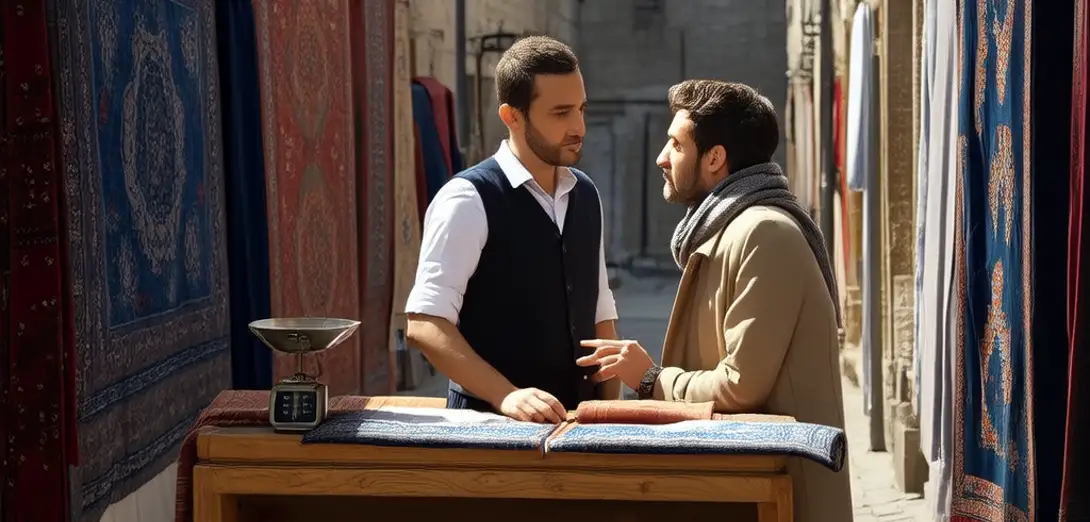
Silent Bargaining in Istanbul Grand Bazaar Kiosks: Gesture Grammar as Jurisdictional Boundary Work
伊斯坦布尔大巴扎摊位中的无声议价:手势语法作为管辖权边界工作
-
In the Kapalıçarşı’s textile section, price negotiation unfolds almost entirely through fingertip taps, palm orientations, and deliberate pauses—not words.在大巴扎的纺织品区,议价几乎全靠指尖轻点、手掌朝向和刻意停顿完成,而非言语。
-
A vendor’s left hand remains visibly still on the counter while the right hand gestures; this immobility signifies adherence to guild-regulated fairness norms.摊主左手始终静止置于柜台,右手则做手势;左手不动,象征遵守行会规定的公平准则。
-
Three light taps on a bolt of silk mean ‘I acknowledge your asking price’; two slower taps signal ‘I accept your minimum, not your opening’.在丝绸布卷上轻敲三下,表示‘我接受你的开价’;慢敲两下,则表示‘我接受你的底价,而非开价’。
-
Foreign buyers who speak Turkish fluently often fail because they overlook how wrist rotation conveys whether a discount applies to one item or the entire bundle.即便土耳其语流利的外国买家也常失败,因为他们忽略了手腕旋转所传递的信息:折扣适用于单件商品,还是整批货。
-
Guild elders monitor kiosk interactions not for volume or vocabulary, but for micro-timing—the precise 1.7-second gap between offer and counter-gesture.行会长辈观察摊位互动,不看音量或用词,而专注微秒级节奏——报价与还价手势之间精确的1.7秒间隔。
-
When a buyer places coins on the counter without eye contact, the vendor interprets it as final settlement only if the coins form a specific triangular arrangement.买家若不直视摊主、直接将硬币放在柜台上,仅当硬币呈特定三角形排列时,才被视作最终成交。
-
Digital payment apps are permitted—but cash must still be placed using traditional palm-up positioning to maintain ritual continuity in value exchange.虽允许使用数字支付应用,但现金仍须以传统掌心向上方式放置,以维系价值交换中的仪式连续性。
-
Refusing to gesture at all is read not as shyness, but as rejection of the bazaar’s unwritten jurisdictional compact between seller and buyer.完全拒绝做手势,并非被视为羞怯,而是对集市中买卖双方不成文管辖契约的否定。
-
This silent grammar evolved not to exclude outsiders, but to compress complex ethical calculations into milliseconds of embodied reciprocity.这套无声语法并非为排斥外人而生,而是将复杂的伦理权衡压缩进毫秒级的身体互惠之中。
-
Every gesture anchors price not to market rates alone, but to layered histories of guild regulation, neighborhood reputation, and familial obligation.每个手势所锚定的价格,不仅取决于市价,更承载着行会规制、街区声誉与家族义务等多重历史层积。