正在确认阅读权限…
Communal Oven Scheduling in Rural Catalonia: Time Allocation as Intergenerational Contract
加泰罗尼亚乡村 communal烤炉排期:时间分配作为代际契约
-
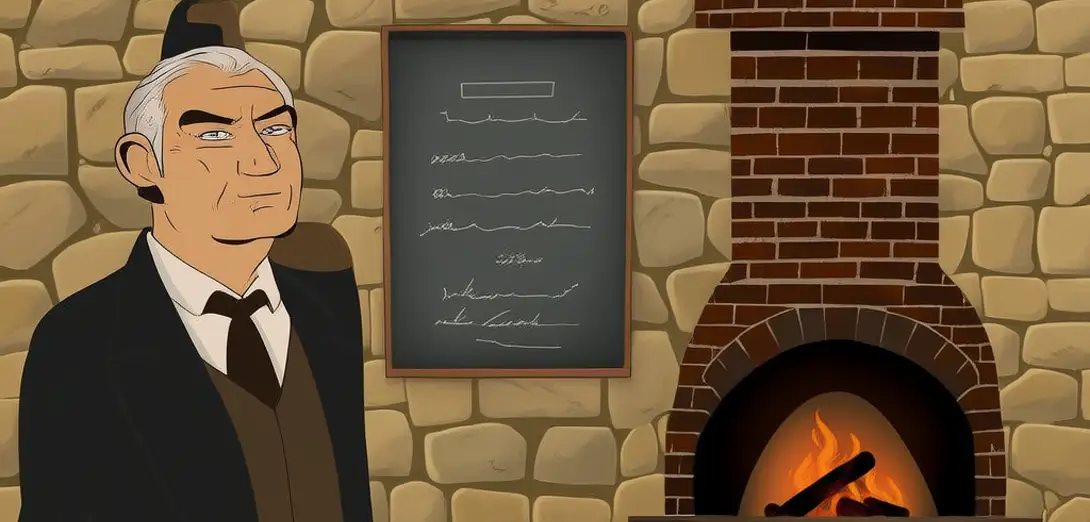
In villages like Sant Martí de Riucorb, the shared brick oven’s weekly schedule is inscribed on a slate board updated daily—not digitally, but with chalk and communal consensus.在圣马丁-德里乌科尔布这样的村庄,共用砖炉的每周使用安排写在一块石板上,每日用粉笔更新,而非数字方式,靠的是集体共识。
-
Families don’t book slots; they inherit rotational priority based on generations of bread-baking stewardship, verified by elders during the annual Festa del Pa.各家不预约炉位,而是按世代相传的面包烘焙资历获得轮值优先权,每年‘面包节’由长者确认。
-
A young couple’s first solo baking session requires three witnesses: one elder, one neighbor, and one child under ten—each representing a temporal dimension of continuity.年轻夫妇首次独立烤面包,需三位见证人:一位长者、一位邻居、一名十岁以下儿童,分别象征延续的时间维度。
-
The oven’s thermal mass dictates timing precision: deviations of even seven minutes disrupt the next family’s sourdough fermentation rhythm across shared walls.炉体蓄热特性决定时间精度:哪怕偏差七分钟,也会打乱隔壁家庭酸面团在共用墙体间的发酵节奏。
-
Slate annotations include subtle symbols—a wavy line beside a name means ‘this family’s starter culture has crossed three generations’.石板标注含微妙符号:名字旁画波浪线,表示该家酵种已传承三代。
-
Disputes over scheduling are resolved not by calendar logic, but by recounting oral histories of past droughts, plagues, or harvest failures when oven access was rationed equitably.排炉纠纷不靠日历逻辑解决,而靠口述过往旱灾、瘟疫或歉收时如何公平配给炉位的历史。
-
Digital reminders are banned inside the oven house; the bell’s chime sequence—three short, one long—carries encoded information about dough readiness and fuel status.炉屋内禁用数字提醒;钟声序列——三短一长——暗含面团状态与燃料余量信息。
-
Teenagers apprentice not by measuring flour, but by learning to read the oven’s surface condensation patterns as proxies for ambient humidity shifts.青少年学徒不靠称量面粉入门,而是学习通过炉壁凝结水纹判断环境湿度变化。
-
This temporal infrastructure treats time not as divisible units, but as inherited relational bandwidth between households and grain cycles.这套时间基础设施不把时间视作可分割单位,而视为住户与谷物周期间承袭的关系带宽。
-
To reschedule without consensus isn’t inefficiency—it’s dissolution of the covenant binding present labor to ancestral leavening knowledge.未经共识擅自改期并非低效,而是瓦解了将当下劳作与祖传酵种智慧联结的契约。