正在确认阅读权限…
Supply Chain Resilience and Regional Manufacturing Clusters
供应链韧性与区域制造业集群
-
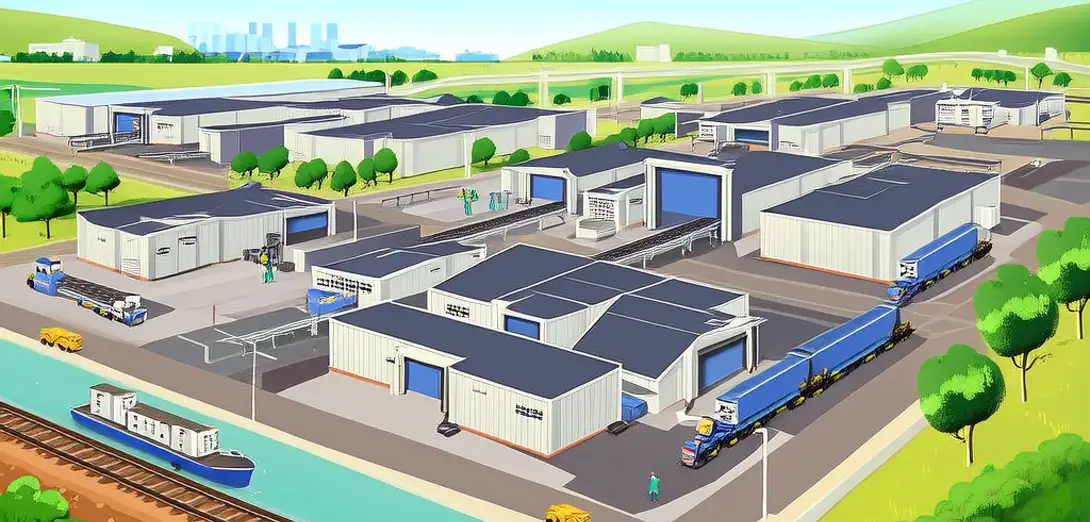
Regional manufacturing clusters reduce supply chain vulnerability by shortening transport distances and increasing supplier density.区域性制造业集群通过缩短运输距离、增加供应商密度,降低供应链脆弱性。
-
When global shipping delays occur, firms within tight geographic networks can coordinate inventory sharing or joint procurement.当全球航运延误发生时,地理邻近的企业可协调库存共享或联合采购。
-
Shared technical labor pools allow rapid reassignment of skilled workers across nearby factories during disruptions.共用的技术劳动力池可在中断期间快速将熟练工人调配至附近工厂。
-
Local governments sometimes offer zoning incentives to retain complementary suppliers near anchor manufacturers.地方政府有时会提供分区政策激励,以留住锚定制造商周边的互补型供应商。
-
However, over-concentration risks cascading failures if a shared utility or logistics hub goes offline.但过度集中可能带来连锁故障风险,一旦共用的公用设施或物流枢纽停摆即会触发。
-
Clusters thrive when vocational training institutions align curricula with real-time industry skill gaps.当职业培训机构根据行业实时技能缺口调整课程时,产业集群方能蓬勃发展。
-
Digital platforms now map regional supplier capabilities, making hidden interdependencies visible to planners.数字平台如今可绘制区域供应商能力图谱,使规划者看清隐性相互依赖关系。
-
Nearshoring decisions increasingly weigh proximity to skilled labor and reliable energy over pure wage differentials.近岸外包决策日益重视靠近熟练劳动力和稳定能源供应,而非单纯工资差异。
-
Public-private data trusts help monitor bottlenecks without compromising competitive confidentiality.公私数据信托机制有助于监测瓶颈,同时不损害企业竞争机密。
-
Resilience here means redundancy built into geography, skills, and institutional coordination—not just stockpiling.此处的韧性,指嵌入地理布局、技能储备与制度协同中的冗余设计,而非仅靠囤货。