正在确认阅读权限…
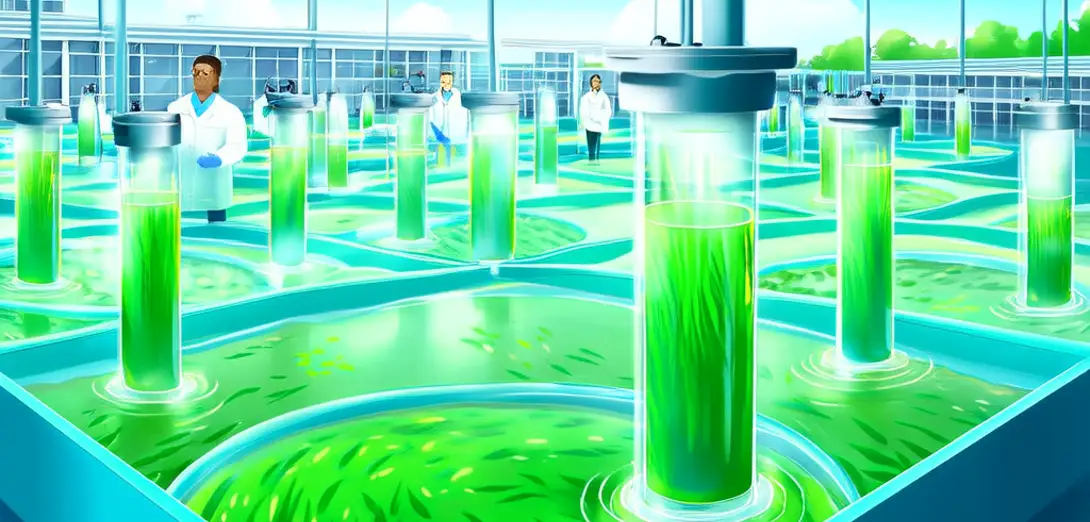
Algae-Based Biofuels: Green Energy from Tiny Organisms
藻类生物燃料:来自微小生物的绿色能源
-
Microalgae grow rapidly in ponds or photobioreactors, converting sunlight, CO₂, and nutrients into oils usable as biodiesel feedstock.微藻在池塘或光生物反应器中快速生长,将阳光、二氧化碳和养分转化为可用作生物柴油原料的油脂。
-
They produce up to 30 times more oil per hectare than soybeans—without competing for arable land or freshwater resources.其单位面积产油量可达大豆的30倍,且不占用耕地或淡水。
-
Harvesting involves flocculation, centrifugation, or membrane filtration to separate dense algal paste from growth medium efficiently.收获过程采用絮凝、离心或膜过滤等方法,高效地将浓稠的藻浆与培养液分离。
-
Oil extraction uses mechanical pressing or solvent methods, followed by transesterification to convert triglycerides into fatty acid methyl esters (FAME).油脂提取采用机械压榨或溶剂法,再经酯交换反应将甘油三酯转化为脂肪酸甲酯(FAME)。
-
Residual biomass becomes nutrient-rich animal feed or soil conditioner—closing resource loops instead of creating waste.剩余生物质可制成营养丰富的动物饲料或土壤调理剂,实现资源循环而非产生废弃物。
-
Carbon capture is built-in: algae absorb CO₂ from power plant flue gas, turning emissions into raw material for fuel production.碳捕获天然集成:微藻可吸收电厂烟气中的CO₂,将排放物转化为燃料生产的原料。
-
Lifecycle analyses show net greenhouse gas reductions of 50–70% compared to fossil diesel when renewable energy powers cultivation.生命周期分析表明,若养殖全程使用可再生能源,相比化石柴油可净减少50%–70%温室气体排放。
-
Scaling requires balancing energy inputs for pumping, lighting, and processing against energy outputs from refined fuel.规模化需权衡泵送、照明和加工等能耗与精炼燃料产出的能量。
-
Genetic engineering helps boost lipid yields and tolerance to variable light or salinity—accelerating strain optimization timelines.基因工程可提高脂质产量及对光照波动或盐度变化的耐受性,加快菌株优化进程。
-
Though still emerging, algae biofuels represent photosynthesis harnessed not just for food—but for clean, circular energy.尽管尚处发展初期,藻类生物燃料标志着光合作用不仅用于生产食物,更服务于清洁、循环的能源体系。