正在确认阅读权限…
How Self-Healing Polymers Repair Tiny Cracks Automatically
自修复聚合物如何自动修复微小裂纹
-
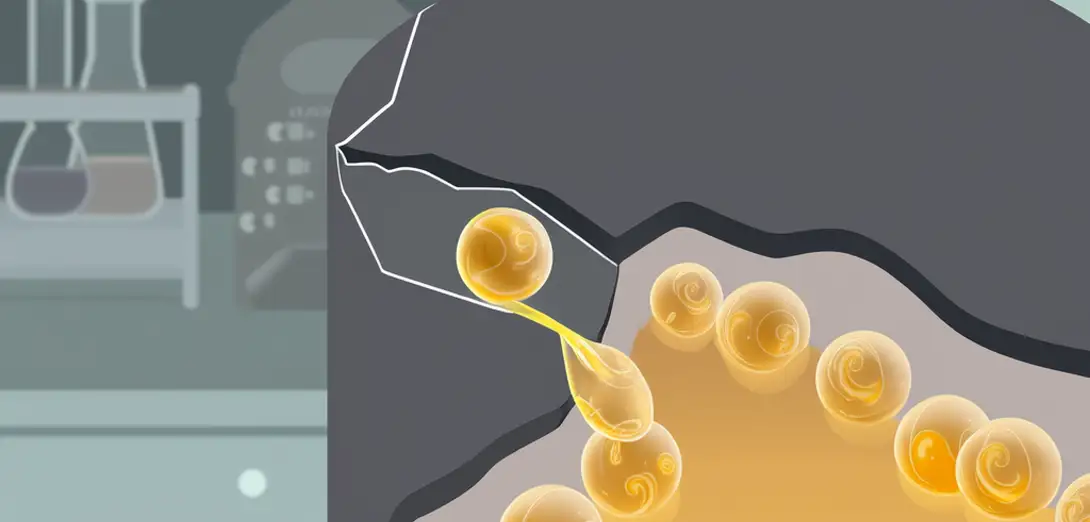
Self-healing polymers contain special microcapsules that burst when a crack forms.自修复聚合物含有特殊微胶囊,裂缝出现时会破裂。
-
These capsules release liquid monomers that quickly harden and seal the damaged area.这些胶囊释放液态单体,迅速硬化并封住受损区域。
-
Scientists designed this material to mimic how human skin repairs small cuts.科学家设计这种材料,以模仿人类皮肤修复小伤口的方式。
-
Unlike traditional plastics, these polymers extend product lifespans without manual intervention.与传统塑料不同,这类聚合物无需人工干预即可延长产品寿命。
-
Researchers test them in car paints, phone screens, and aircraft coatings today.目前研究人员正将其用于汽车漆面、手机屏幕和飞机涂层测试。
-
The healing process usually completes within hours and requires no external tools.修复过程通常在数小时内完成,且无需外部工具。
-
Some versions even respond to UV light or slight heat to trigger repair.某些版本甚至能响应紫外线或轻微热量来启动修复。
-
This innovation reduces waste and supports circular economy principles globally.这项创新有助于减少废弃物,支持全球循环经济理念。
-
Engineers are now scaling production to make self-healing materials more affordable.工程师正扩大生产规模,以降低自修复材料成本。
-
Ongoing studies explore combining them with biodegradable backbones for eco-safety.当前研究还在探索将其与可生物降解骨架结合,提升环保安全性。