正在确认阅读权限…
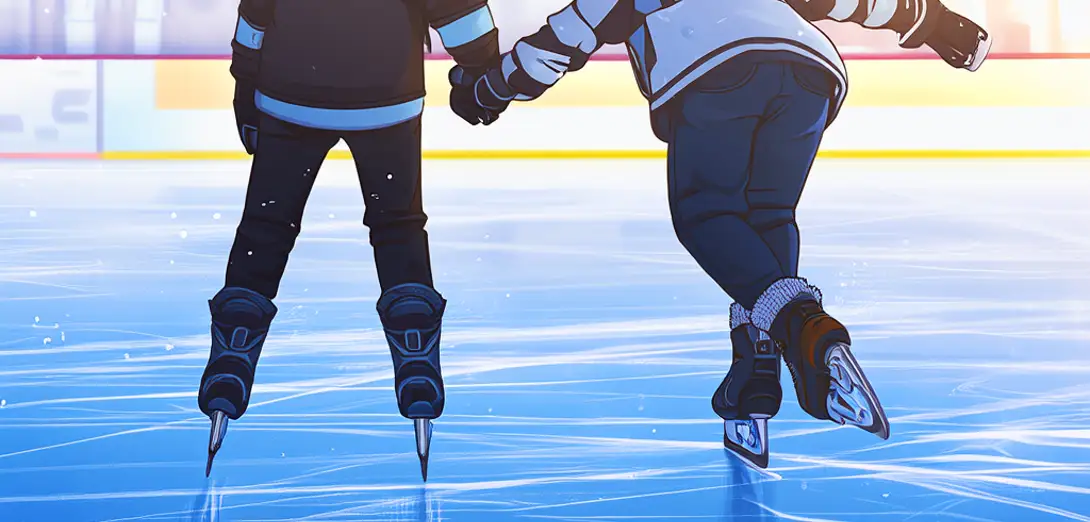
Why Ice Skaters Glide Smoothly on Thin Water Films
滑冰者为何能在极薄水膜上顺畅滑行:压力融点降低现象
-
Ice skaters glide not on solid ice but on a microscopic layer of liquid water formed under pressure.滑冰者并非在固态冰上滑行,而是在压力下形成的微米级液态水膜上滑行。
-
The weight of the skater compresses ice beneath the blade, lowering its melting point slightly.滑冰者的体重压缩冰刀下的冰层,略微降低其熔点。
-
This localized melting creates a transient lubricating film just nanometers thick.这种局部融化形成一层仅几纳米厚的瞬时润滑水膜。
-
Friction generates additional heat, sustaining the film even as the blade moves forward.摩擦产生的额外热量使水膜在冰刀向前移动时持续存在。
-
At temperatures below −5°C, the film becomes too thin to support smooth gliding effectively.当温度低于−5°C时,水膜过薄,无法有效支撑顺畅滑行。
-
High-speed cameras capture water film thickness changing dynamically during each stride.高速摄像机可捕捉每次蹬冰过程中水膜厚度的动态变化。
-
Engineers replicate this effect in lab tests using diamond-tipped blades and cryogenic chambers.工程师在实验室中使用金刚石刀头和低温室复现这一效应。
-
Skate sharpening angles affect pressure distribution and thus film stability across different ice conditions.冰刀研磨角度影响压强分布,从而影响不同冰面条件下的水膜稳定性。
-
Understanding this physics helps design indoor rinks with optimized refrigeration and humidity control.理解这一物理机制有助于设计制冷与湿度控制更优的室内冰场。
-
It also explains why some synthetic ice surfaces fail to mimic true ice performance.这也解释了为何某些合成冰面无法模拟真实冰面的性能。