正在确认阅读权限…
Samba Schools of Rio: Carnival as Civic Archive and Resistance
里约桑巴学校:狂欢节作为公民档案与抵抗仪式
-
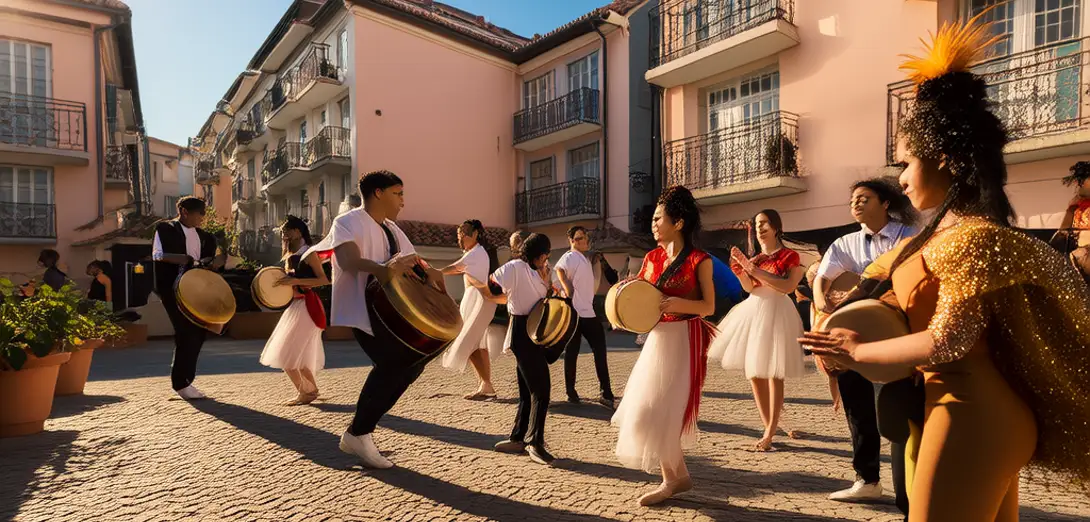
Each November, Rio’s samba schools begin rehearsing in community courtyards known as quadras, not stadiums or theaters.每年11月,里约的桑巴学校便在名为‘广场’(quadras)的社区院落里开始排练,而非体育场或剧院。
-
Their annual parade themes often retell suppressed histories—like the 1835 Malê Revolt or quilombo resistance in Palmares.它们年度游行的主题常重述被压制的历史——如1835年的马拉耶起义,或帕尔马雷斯的逃奴堡抵抗运动。
-
Costume designers stitch symbolic motifs: broken chains become silver embroidery, and West African adinkra symbols appear on feathered headdresses.服装设计师缝制象征性图案:断裂的锁链化作银线刺绣,西非阿丁克拉符号则出现在羽毛头饰上。
-
Drummers train for months using surdo rhythms rooted in Yoruba sacred drumming, adapted to urban public space.鼓手们数月苦练,所用苏尔多鼓节奏源自约鲁巴神圣鼓乐,并适配于城市公共空间。
-
Judges evaluate not just choreography but historical accuracy, narrative coherence, and community participation in float construction.评委不仅评判编舞,还考察历史准确性、叙事连贯性,以及社区民众参与花车制作的程度。
-
Teenagers interview elders in favelas to gather oral histories that shape next year’s theme and lyrics.青少年走访贫民窟长者,采集口述史,以此塑造来年游行主题与歌词。
-
The Sambódromo is not just a venue—it functions as a temporary civic archive where memory is danced, sung, and witnessed collectively.桑巴大道不仅是场地,更是一座临时公民档案馆——记忆在此以舞蹈、歌声与集体见证的方式存续。
-
Schools like Mangueira or Salgueiro have archives digitizing decades of songbooks, sketches, and protest letters sent to city councils.芒盖拉、萨尔盖罗等学校已建立数字档案,收录数十年来的歌谱、设计草图及致市政府的抗议信。
-
When rain falls during Carnival, dancers never stop—they chant ancestral names louder, turning weather into shared ritual endurance.狂欢节期间若遇降雨,舞者从不停步——反而高呼祖先之名,将天气转化为共享的仪式性坚韧。
-
This is history not displayed behind glass, but carried forward in sweat, rhythm, and unbroken communal will.这并非陈列于玻璃柜中的历史,而是由汗水、节奏与不息的集体意志所传承的历史。