正在确认阅读权限…
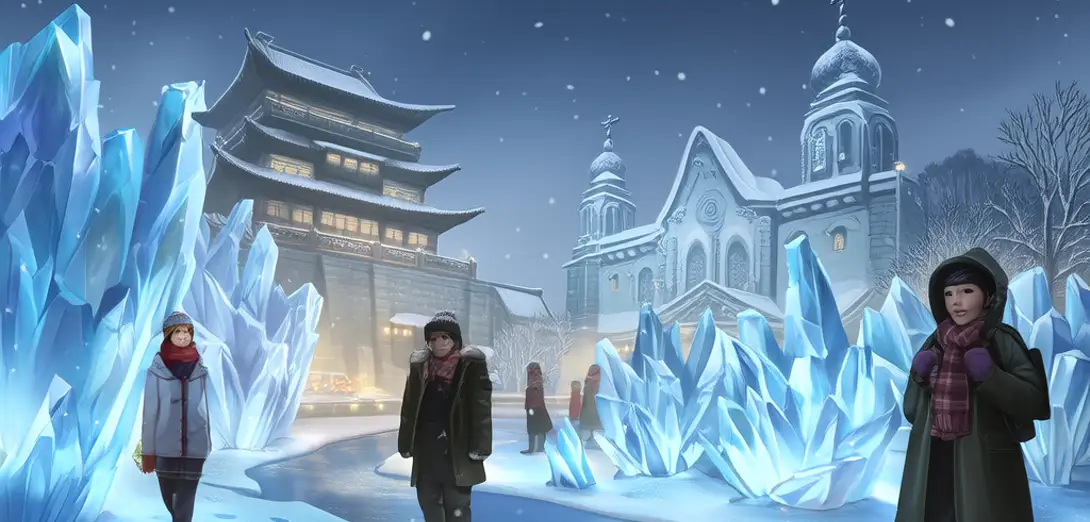
The Ice Festival of Harbin: Frozen Architecture and Northeast Asian Exchange
哈尔滨冰雪节:冰筑建筑与东北亚文明互鉴
-
For over sixty years, Harbin has transformed frozen Songhua River water into towering sculptures of pagodas, samurais, and Slavic domes.六十多年来,哈尔滨将松花江的冰水雕琢成宝塔、武士与斯拉夫式穹顶等高耸雕塑。
-
Artists from Japan, South Korea, Russia, and Mongolia collaborate each December to carve shared mythological figures like Amaterasu and Perun.每年十二月,日本、韩国、俄罗斯和蒙古的艺术家合作雕刻天照大神、佩龙等共通神话形象。
-
The festival grounds include replicas of the Kizhi Pogost and the Jongmyo Shrine—built not as copies but as dialogues in ice.festival 场地内建有基日岛木结构教堂群与宗庙的冰雕复制品——它们并非简单复制,而是以冰为媒展开的文化对话。
-
Local Hezhen elders teach youth traditional fish-skin embroidery patterns now laser-etched onto translucent ice panels.当地赫哲族长者向青年传授传统鱼皮刺绣纹样,如今这些纹样已通过激光蚀刻于半透明冰板之上。
-
Night lighting uses low-heat LED systems developed with Hokkaido engineers to prevent premature melting and honor energy ethics.夜间照明采用与北海道工程师联合研发的低温LED系统,既防止冰雕过早融化,也践行节能理念。
-
Visitors sip fermented mare’s milk beside Korean-style snow tents while listening to Manchu shamanic chants remixed with Siberian throat singing.游客在韩式雪帐旁啜饮发酵马奶,同时聆听满族萨满吟唱与西伯利亚呼麦混音而成的乐声。
-
Ice architecture here reflects neither tourism fantasy nor nationalist display—but layered regional memory made visible through temperature and craft.这里的冰建筑既非旅游幻象,亦非民族主义展示,而是借温度与工艺显形的层层地域记忆。
-
Even the festival map is bilingual in Mandarin, Russian, Japanese, and endangered Nanai script—printed on biodegradable rice paper.就连节庆地图也以中文、俄文、日文及濒危的那乃文双语印制,并使用可降解米纸。
-
Students from Vladivostok and Changchun co-design pavilions exploring shared railway histories along the Chinese Eastern Railway line.符拉迪沃斯托克与长春的学生共同设计展馆,探讨中东铁路沿线共享的铁路历史。
-
When the thaw comes each March, meltwater flows back into the river—carrying dissolved pigment, stories, and quiet promises of return.每年三月融雪时,融水携着消散的颜料、故事与无声的归期承诺,重新汇入松花江。