正在确认阅读权限…
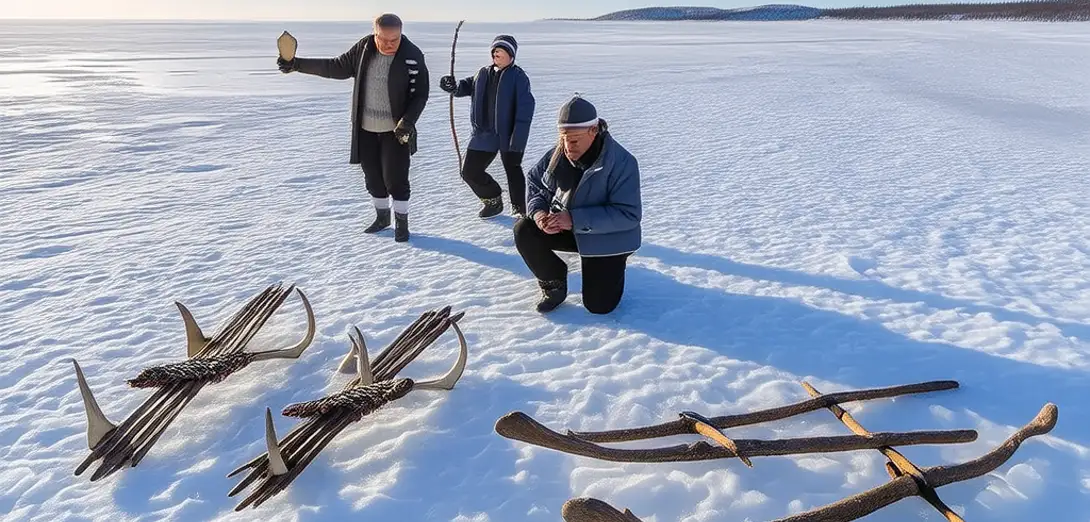
The Qamutiik Journey: Inuit Sled Traditions Across Nunavut’s Sea Ice
卡穆提克雪橇之旅:因纽特人穿越努纳武特海冰的传统雪橇
-
Each March, families in Igloolik test sea ice thickness before loading qamutiiks—wood-and-bone sleds built without nails or glue.每年三月,伊格卢利克的居民在装载木骨雪橇(qamutiik)前,都会测试海冰厚度——这种雪橇不用钉子或胶水,全靠木材与兽骨制成。
-
Elders read wind patterns and snowdrift shapes to choose routes older than colonial maps, passing knowledge through oral waypoints.长者通过观察风向与雪丘形状选择路线,这些路线比殖民时期地图还要古老,知识则依靠口述地标代代相传。
-
The sled’s curved runners, carved from driftwood and reinforced with caribou tendon, glide silently over pressure ridges formed by Arctic currents.雪橇弯曲的滑板由浮木雕刻而成,再用驯鹿肌腱加固,能悄然滑过北极洋流形成的冰脊。
-
Young hunters learn to mend sled lashings using sinew softened in seal oil—a technique unchanged for over two thousand years.年轻猎人学习用海豹油软化肌腱来修补雪橇绳索——这一技艺已沿用两千多年,未曾改变。
-
At night camps, stories are told not of heroes but of specific ice conditions near Fury and Hecla Strait in 1923 or 2007.夜间营地里讲述的并非英雄故事,而是1923年或2007年弗里与赫克拉海峡附近特定的冰情。
-
GPS devices hang beside amulets of narwhal tusk—used not to replace tradition but to cross-reference changing ice stability with ancestral memory.GPS设备悬挂在独角鲸牙护身符旁——并非取代传统,而是将现代冰况稳定性数据与祖辈记忆交叉验证。
-
Women weave waterproof parka hoods from eider duck down, stitching patterns that encode migration paths of snowy owls and beluga whales.妇女用绒鸭绒缝制防水连帽衫兜帽,针脚图案暗含雪鸮与白鲸的迁徙路径。
-
When a qamutiik breaks, the repair becomes a teaching moment: every knot, every lashing angle carries purpose refined across generations.一旦qamutiik损坏,修复过程便成为教学时刻:每个绳结、每处绑扎角度都凝聚着世代锤炼的实用智慧。
-
These journeys are not recreation—they are quiet acts of sovereignty, mapping identity onto shifting, breathing ice.这些旅程并非娱乐——而是静默的主权实践,在流动、呼吸的冰面上刻下身份认同。
-
Even satellite images now overlay Inuktitut place names, ensuring digital tools serve oral geography—not erase it.如今连卫星影像也叠加因纽特语地名,确保数字工具服务于口述地理,而非将其抹去。