正在确认阅读权限…
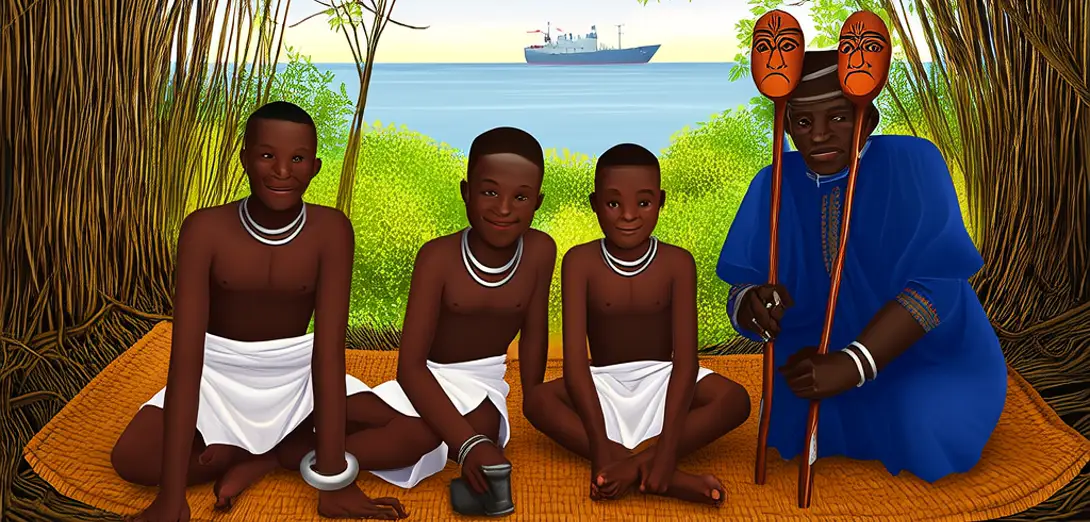
The Baga Nimba Mask Ceremony: Initiation, Iron, and Atlantic Memory in Guinea
巴加宁巴面具仪式:几内亚的成年礼、铁器传统与大西洋记忆
-
In remote Baga villages of Guinea’s coastal mangroves, boys undergo three-month initiations guided by elders who remember Portuguese slave ships anchored offshore.在几内亚沿海红树林深处的巴加村落,男孩们接受为期三个月的成人礼,由还记得葡萄牙奴隶船曾停泊近海的长者指导。
-
The towering Nimba mask—carved from ironwood and weighing over forty kilograms—is worn only by initiated men trained since childhood in balance and breath.高大的宁巴面具以铁木雕成,重逾四十公斤,仅由自幼接受平衡与呼吸训练的已受训男子佩戴。
-
Its exaggerated breasts symbolize both fertility and the nourishing strength needed to rebuild communities shattered by the transatlantic trade.面具夸张的乳房既象征丰产,也代表重建遭跨大西洋奴隶贸易摧毁的社群所需的滋养之力。
-
Blacksmiths forge ceremonial iron bells using techniques passed down since the 12th-century Sosso Empire, when iron defined political authority.铁匠沿用自12世纪索索帝国传承至今的技艺铸造仪式用铁铃,彼时铁器即权力象征。
-
Dancers move slowly, deliberately—their steps echoing rhythms once used to coordinate work aboard slave galleys, now reclaimed as dignity.舞者动作缓慢而庄重,步伐节奏源自昔日奴隶船桨手协同劳作的律动,今已重归尊严。
-
Initiates learn songs in Baga language that contain coded references to escape routes through the Fouta Djallon highlands.受训者学习巴加语歌谣,其中暗藏通往富塔贾隆高原的逃亡路线密码。
-
When French colonists banned the ceremony in 1912, elders hid masks inside hollow baobab trunks and taught chants as lullabies.1912年法国殖民者禁绝该仪式后,长者将面具藏入空心猴面包树干,并把颂唱曲调编为摇篮曲传授。
-
Today’s masks incorporate recycled ship nails and copper wire from abandoned fishing nets—materials that speak of extraction and reclamation.今日面具融入回收的船钉与废弃渔网铜线——这些材料诉说着掠夺与 reclaim(再赋义)。
-
The final unveiling occurs at dawn, as tide recedes from the Rio Nunez estuary—where ancestors once watched ships vanish toward the Americas.最终揭幕于黎明时分,潮水正从努涅斯河口退去——那里,祖先曾目送船只驶向美洲。
-
This is not performance—it is embodied historiography, where wood, iron, voice, and tide together hold what documents could never record.这并非表演,而是具身的历史书写:木、铁、声、潮共同承载着文献无法记录的记忆。