正在确认阅读权限…
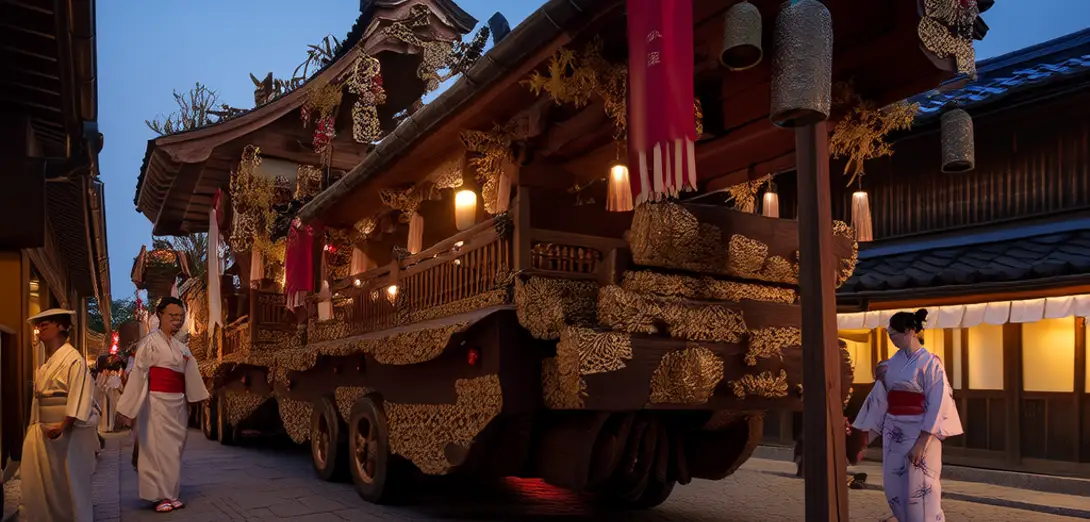
The Gion Matsuri Float Procession: Kyoto’s Living Archive of Heian Aesthetics
祇园祭山鉾巡行:京都流动的平安时代美学档案
-
Every July, Kyoto residents restore and parade massive wooden floats called 'yamaboko'.每年七月,京都市民修复并巡游名为“山鉾”的巨型木制花车。
-
These floats carry centuries-old textiles, lacquerwork, and Noh masks donated by merchant families since the 9th century.这些花车承载着数百年历史的织物、漆器和能面,均由商家家族自9世纪起捐赠。
-
Neighborhoods compete to preserve their float’s unique design while honoring the same Shinto purification ritual since 869 CE.各街区竞相保护各自花车的独特设计,同时延续自公元869年起的同一神道净化仪式。
-
Young men pull the floats through narrow streets using ropes that echo ancient temple construction techniques.年轻男子用绳索拉动花车穿行于狭窄街巷,绳索技法源自古代寺院建造工艺。
-
Spectators wear traditional yukata not as costume but as quiet participation in civic memory.观众身着传统浴衣,并非扮演角色,而是静默参与城市集体记忆。
-
The festival’s rhythm follows lunar cycles once tied to plague-prevention rites across Japan’s capital.节日节奏依循月相周期,曾与日本首都各地防瘟疫仪式相关。
-
Even modern LED lights on float lanterns are mounted within original iron frames forged in Edo-period workshops.即便花车灯笼上装有现代LED灯,也严格嵌入江户时代工坊锻造的原始铁框内。
-
Children learn float carpentry not in schools but during summer apprenticeships with master artisans.孩童不在学校学习花车木工技艺,而是在暑期跟随匠师大师当学徒。
-
No two floats share identical carvings, though all depict scenes from classical literature like 'The Tale of Genji'.每座花车雕刻均独一无二,但题材皆取自《源氏物语》等古典文学作品。
-
This procession remains unbroken for over 1,150 years—longer than most national constitutions.这场巡游已连续举办逾1150年,比多数国家宪法历史更久。