正在确认阅读权限…
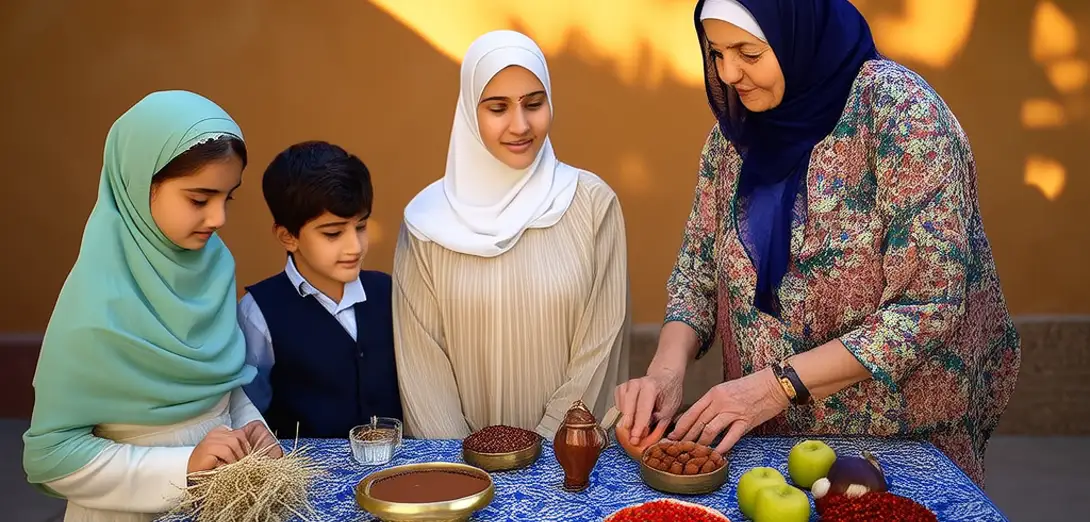
The Nowruz Haft-Seen Table in Isfahan: Persian New Year as Botanical Diplomacy
伊斯法罕诺鲁孜节七鲜桌:波斯新年作为植物外交
-
Every March, Isfahan families arrange seven symbolic items starting with Persian letter 'sin' on handwoven silk cloths.每年三月,伊斯法罕家庭都会在手工织就的丝绸布上摆放七种以波斯字母‘sin’开头的象征性物品。
-
Sabzeh (sprouted wheat) grows in shallow bowls beside silver mirrors reflecting light—and diplomatic history with Central Asian neighbors.麦苗(发芽小麦)栽于浅碗中,旁置银镜反射光芒——也映照出与中亚邻国的外交历史。
-
Apples represent health, but their red skin echoes Safavid-era trade routes carrying fruit from Samarkand orchards.苹果象征健康,但其红色果皮令人联想到萨法维时期从撒马尔罕果园运来的水果贸易路线。
-
Vinegar symbolizes patience, yet its fermentation process links to Zoroastrian fire temples where herbs were distilled for healing.醋象征耐心,而其发酵工艺则与琐罗亚斯德教火庙相关,那里曾蒸馏草药用于疗愈。
-
Goldfish swim in glass bowls not as pets but as living metaphors for life’s fluidity across Persian Gulf maritime networks.金鱼游弋于玻璃碗中,并非作为宠物,而是波斯湾海上网络中生命流动性的活态隐喻。
-
Each item’s placement follows astrolabe-inspired symmetry, aligning with solstice sunrise over Zayandeh River bridges.每件物品的摆放遵循星盘启发的对称布局,与扎扬德河桥上春分日出方位精准对应。
-
Young Iranians learn regional variations—Kurdish tables add walnuts; Balochi ones include dried apricots from Makran coast.伊朗青年学习各地变体——库尔德餐桌添核桃;俾路支餐桌则摆上马克兰海岸的干杏子。
-
Poets recite Hafez beside the table while elders explain how each plant once served as currency or treaty token.诗人于桌旁吟诵哈菲兹诗篇,长者则讲述每种植物昔日如何充当货币或缔约信物。
-
UNESCO recognizes Nowruz across 14 countries, yet Isfahan’s version preserves pre-Islamic botanical knowledge banned elsewhere.联合国教科文组织将诺鲁孜节列入14国共同遗产,而伊斯法罕版本却保存了 elsewhere 被禁的前伊斯兰植物知识。
-
Even during wartime shortages, families substitute rare items with local herbs whose names still begin with 'sin'.即便战时物资匮乏,家家仍以本地香草替代稀有物品,且其名称仍须以‘sin’起首。