正在确认阅读权限…
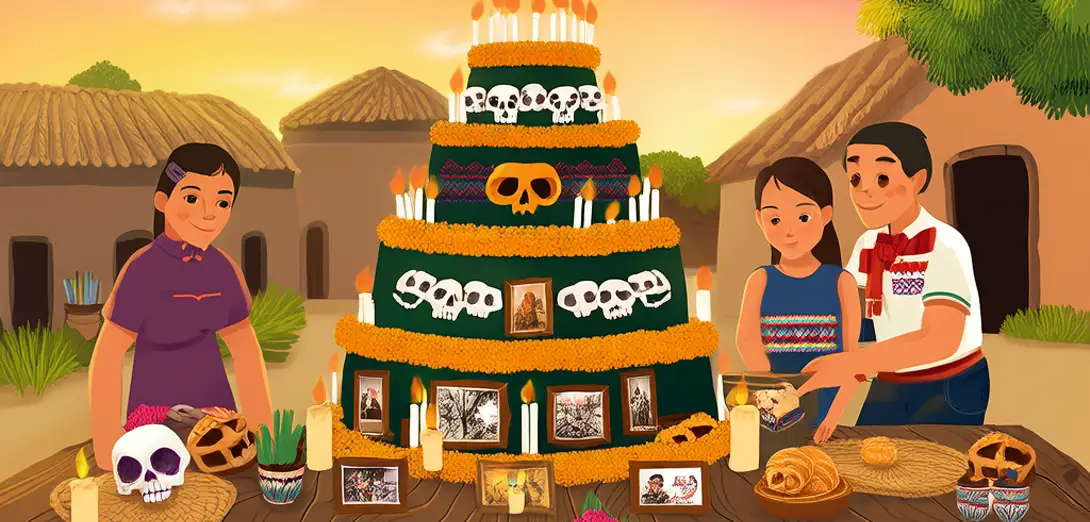
The Day of the Dead Altars in Oaxaca: Mesoamerican Timekeeping Through Ancestral Offerings
瓦哈卡亡灵节祭坛:中美洲时间观借由祖先供品延续
-
In Oaxaca’s villages, families build altars using seven-tiered structures representing pre-Hispanic cosmology.在瓦哈卡的村庄里,家家户户用七层结构搭建祭坛,象征前西班牙时期的宇宙观。
-
Marigold petals form paths guiding spirits home—not just decoration but sacred cartography rooted in Zapotec astronomy.万寿菊花瓣铺成小径,为亡灵引路回家——这不仅是装饰,更是根植于萨波特克天文知识的神圣地图。
-
Each offering carries dual meaning: chocolate represents earth’s richness, while salt purifies the soul’s journey across realms.每件供品都有双重含义:巧克力象征大地丰饶,盐则净化灵魂穿越诸界的旅程。
-
Bread loaves shaped like bones reference both colonial wheat imports and ancient maize deities’ skeletal forms.形如骨骼的面包既呼应殖民时期引入的小麦,也暗指古代玉米神祇的骸骨形象。
-
Photographs placed beside pre-Columbian clay figurines show continuity, not replacement, of ancestral veneration.照片与前哥伦布时期的陶俑并置,展现祖先崇拜的延续,而非取代。
-
Altars avoid clocks or calendars because time here flows cyclically, measured by corn growth and mountain mist patterns.祭坛上不放钟表或日历,因这里的时间是循环的,以玉米生长和山间雾气变化来计量。
-
Women grind cacao beans on metates used since 300 BCE, blending flavor with temporal consciousness.妇女用自公元前300年沿用至今的磨石研磨可可豆,将风味与时间意识融为一体。
-
Children help arrange offerings while listening to elders recount migration stories tied to specific stars visible in November.孩子们一边摆放供品,一边听长辈讲述与十一月可见星辰相关的迁徙故事。
-
Public plazas host collective altars where Mixtec, Zapotec, and Afro-Mexican families contribute distinct symbolic elements.公共广场上共建集体祭坛,米斯特克、萨波特克和非裔墨西哥家庭各自贡献独特象征元素。
-
This practice survived Spanish bans by merging Catholic All Saints’ Day with rituals older than Tenochtitlan’s founding.这一习俗在西班牙殖民禁令下存续下来,将天主教诸圣节与早于特诺奇蒂特兰建城的古老仪式相融合。