正在确认阅读权限…
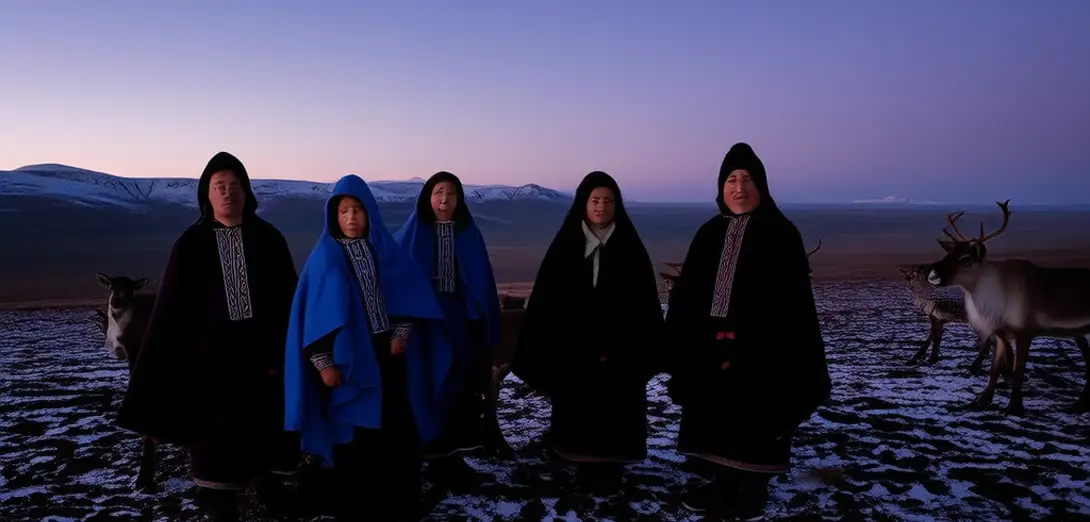
The Sámi Yoik Circles of Kautokeino: Vocal Cartography Across Arctic Tundra
科托凯诺的萨米约伊克吟唱圈:北极苔原上的声音地理学
-
In Kautokeino, families gather at dusk to sing yoiks—not songs about reindeer, but sounds *as* reindeer.在科托凯诺,家家户户黄昏时聚在一起吟唱约伊克——这不是关于驯鹿的歌,而是以人声模拟驯鹿本身。
-
Each yoik mimics wind over ridges, ice cracking on lakes, or the gait of a particular herd.每首约伊克都模仿山脊上的风声、湖面冰裂的脆响,或某一群驯鹿特有的步态。
-
Elders teach children to vocalize landscapes rather than describe them with nouns or verbs.长辈教孩子用声音‘呈现’地貌,而非用名词或动词去描述它。
-
During Norway’s assimilation policies, yoiking was banned in schools until 1980, yet elders preserved it in tents.挪威同化政策时期,约伊克在校园中被禁,直至1980年才解禁;但长辈们始终在帐篷里传承它。
-
A young joiker may yoik her grandmother’s migration route across Finnmark, using pitch shifts for elevation changes.一位年轻的约伊克歌手可能吟唱祖母穿越芬马克的迁徙路线,用音高的起伏表现海拔变化。
-
Modern Sámi artists blend yoik with electronic beats, but the core remains non-lexical and place-bound.当代萨米艺术家将约伊克与电子节拍融合,但其核心仍为无词汇性且根植于特定地域。
-
At the annual Sámi Parliament opening, delegates enter silently while a solo yoik traces the river Alta’s course.每年萨米议会开幕时,代表们默然入场,一首独唱约伊克则沿着阿尔塔河的流向徐徐展开。
-
Tourists sometimes mistake yoik for performance; locals hear kinship, memory, and legal claim in every tremolo.游客常把约伊克当作表演;当地人却从中听见亲缘、记忆,乃至土地权利的宣告。
-
No written score exists—yoik lives only in breath, ear, and shared tundra silence.约伊克没有乐谱——它只存于呼吸、耳畔,以及共享的苔原寂静之中。
-
When sung beside a frozen lake, a yoik does not name the ice—it makes you feel its age and weight.在结冰的湖畔吟唱约伊克,它不指称冰面,却让你真切感受到冰的年岁与分量。