Diwali: The Festival of Lights Across India and Beyond
排灯节:跨越印度及海外的光明节
课文音频
可先听下面的整段朗读;需要逐句点读时,请打开阅读器,体验会更顺手。
课文
-
Diwali lasts five days and celebrates the victory of light over darkness, knowledge over ignorance, and good over evil.
排灯节持续五天,庆祝光明战胜黑暗、知识战胜愚昧、善良战胜邪恶。
-
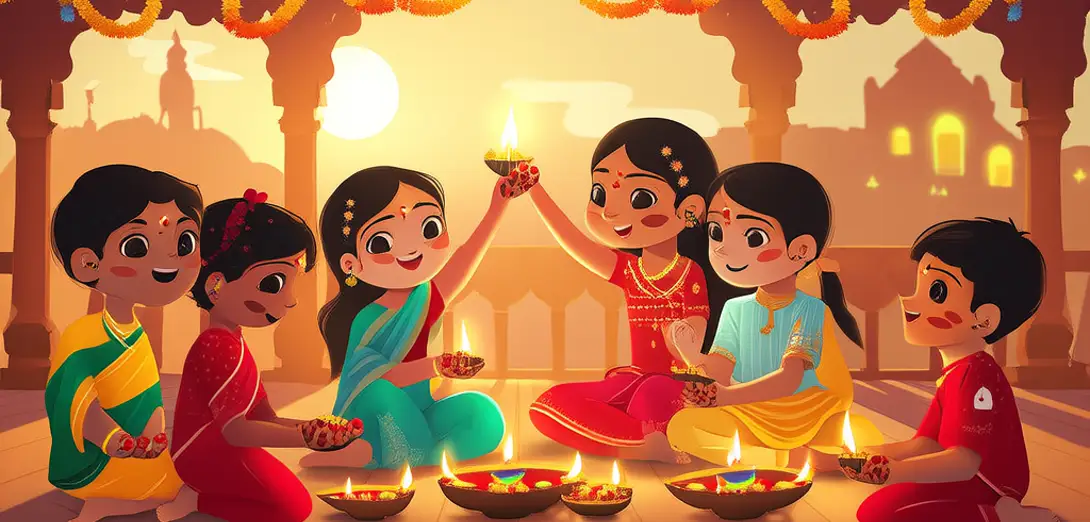
Families clean homes thoroughly, draw rangoli patterns at entrances, and light rows of oil lamps called diyas after sunset.
家家户户彻底打扫房屋,在门口绘制拉戈利图案,并在日落后点亮一排排油灯(迪亚斯)。
-
Hindus remember Lord Rama’s return to Ayodhya after defeating the demon king Ravana, while Sikhs honor Guru Hargobind’s release from prison.
印度教徒纪念罗摩战胜魔王罗波那后重返阿逾陀,锡克教徒则纪念古鲁哈尔戈宾德获释出狱。
-
Fireworks fill the sky, sweets like laddoos and jalebis are shared widely, and new clothes are worn to mark fresh beginnings.
烟花点亮夜空,乳酪球和贾莱比等甜点广为分享,人们穿上新衣,象征崭新开端。
-
In Leicester, UK, over 80,000 people gather annually for Europe’s largest Diwali celebration outside Asia.
英国莱斯特市每年聚集超8万人,举办欧洲规模最大的亚洲以外排灯节庆典。
-
Businesses close accounts and start new ledgers, believing Lakshmi, the goddess of wealth, visits homes filled with light and cleanliness.
商家结清旧账、启用新账簿,相信财富女神拉克希米会光顾灯火通明、洁净明亮的居所。
-
Children receive gifts and play traditional games, while elders tell stories linking moral choices to cosmic balance.
孩子们收礼物、玩传统游戏,长辈则通过故事讲述道德选择与宇宙平衡的关联。
-
Interfaith communities now host joint Diwali-Iftar events, blending Indian sweets with Middle Eastern hospitality traditions.
跨信仰社区如今联合举办排灯节-开斋节活动,将印度甜点与中东待客传统相融合。
Go deeper · 在阅读器里可以
- Listen line-by-line — 逐句点读与跟读,把「听懂」练成习惯。
- Save & review — 加入书架,方便下次接着练。
- Unlock more lessons — 后续课时与全书音频可在阅读器中按单本或会员继续使用。
本课重点词汇
点击下列单词可查看中文释义与音标;若首次查询,系统可能需要几秒钟准备结果。想建立长期词汇习惯(选词、复习、词根、语块等),可配合 词汇学习汇总 一起用。
本课学习要点
篇名提示:中文标题「排灯节:跨越印度及海外的光明节」与英文标题对照,可帮助您快速判断本篇话题与难度是否合适。
下面是与本课难度相关的语法与阅读策略提示;系统复习时打开 语法指南,点左边即可跳到对应段落。
本课可能混合多种时态或从句。建议先标出每个谓语动词,判断它属于哪条时间线(现在、过去还是将来),再看从句由哪个词引导、修饰谁。
遇到被动结构 be + 过去分词,先还原「谁做了什么」,再理解作者想突出的是动作还是承受者。
小提示:若句首出现 When / While / After 等从句,先读从句再读主句,更容易抓住时间关系。