正在确认阅读权限…
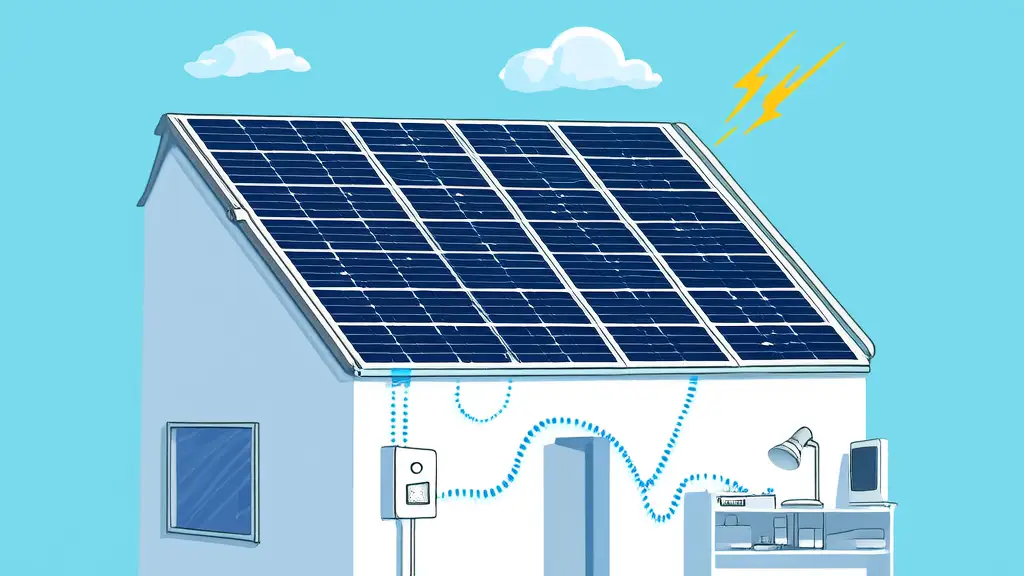
How Do Solar Panels Turn Sunlight Into Electricity?
太阳能电池板如何把阳光变成电?
-
Solar panels contain silicon layers that form an electric field when sunlight hits them.太阳能电池板含有硅层,阳光照射时形成电场。
-
Photons from sunlight knock electrons loose from silicon atoms inside the panel.阳光中的光子撞击电池板内的硅原子,使其释放电子。
-
These free electrons flow in one direction, creating direct current (DC) electricity.这些自由电子单向流动,产生直流电(DC)。
-
Metal contacts on the panel collect the electrons and send them through wires.电池板上的金属触点收集电子,并通过导线传输。
-
An inverter then changes DC into alternating current (AC), which powers most homes.逆变器再将直流电转换为交流电(AC),供大多数家庭使用。
-
Efficiency depends on light angle, temperature, and how clean the panel surface is.发电效率取决于光照角度、温度及电池板表面清洁度。
-
Even on cloudy days, panels still generate some power using diffuse sunlight.阴天时,电池板仍能利用散射阳光发部分电。
-
Multiple panels linked together form an array that scales up total energy output.多个电池板连接组成阵列,可提升总发电量。
-
Silicon isn’t the only material—scientists now test perovskites for cheaper, flexible options.硅并非唯一材料——科学家正测试钙钛矿等更廉价、更柔性的替代品。
-
This clean process makes solar energy one of the fastest-growing power sources worldwide.这种清洁发电方式使太阳能成为全球增长最快的能源之一。